





Toyota Fortuner Specifications
 Arai mileage
 Transmission type
 Body type
 Fuel type
 Engine displacement
 Seating capacity
Toyota Fortuner Variants: Price & Spec Cards
Images of Toyota Fortuner
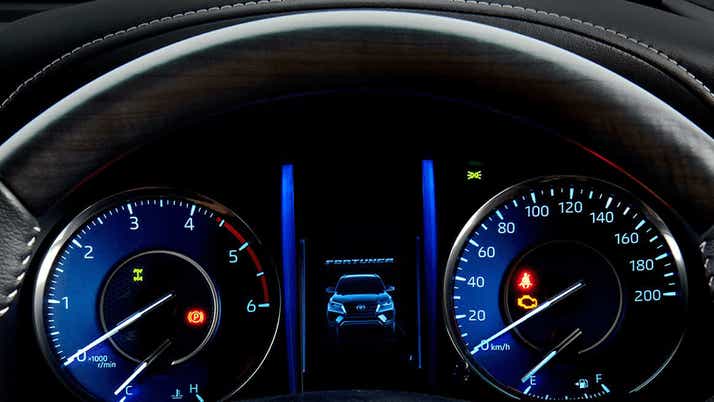

Toyota Fortuner Overview: A Rugged 7-Seater SUV Built to Last
The Fortuner has been around long enough that its formula is well understood: big dimensions, a ladder-frame chassis, a strong diesel engine and the kind of road presence that is difficult to ignore. The Fortuner feels substantial from behind the wheel, and that is both its biggest strength and one of its compromises.
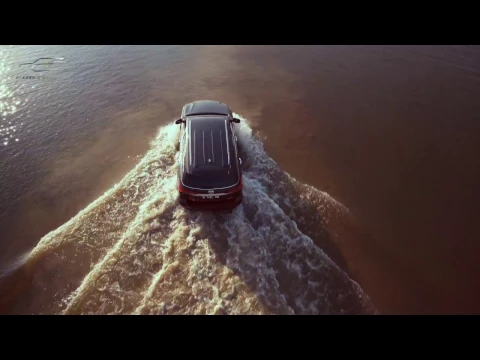
At 4,795 mm long, 1,855 mm wide and 1,835 mm tall, it is a large SUV by any measure. The high seating position gives the driver a commanding view, while the body-on-frame construction and 225 mm of ground clearance make it well suited to broken roads, rough trails and poorly surfaced rural routes.
The suspension is designed to cope with more than just smooth tarmac. The Fortuner can deal with bad roads and long highway runs without feeling fragile, although its firm setup is more noticeable at low speeds. It also remains one of the more reassuring SUVs for long-distance travel, particularly with the 2.8-litre diesel.
There is also a certain appeal to the Fortuner’s simplicity. It may not have the most sophisticated cabin or the longest equipment list in its class, but Toyota’s reputation for durability, easy ownership and strong resale value continues to be a major part of the package.
The Fortuner range is fairly easy to understand once you look at it through the drivetrain options. The petrol is offered only as a 4x2 automatic, while the diesel gives you more flexibility with manual and automatic gearboxes, as well as 4x2 and 4x4 layouts. The 48V Neo Drive is available with the diesel and 4x4 automatic combination.
| Variant | Engine, Power & Drivetrain | Claimed Mileage | Ex-Showroom Price |
| 2.7 Petrol 4x2 AT (Base Model) | 2.7L Petrol, 166 bhp / 245 Nm, 4x2 | 10.30 kmpl | ₹34.76 lakh |
| 2.8 Diesel 4x2 MT | 2.8L Diesel, 204 bhp / 420 Nm, 4x2 | 14.60 kmpl | ₹35.40 lakh |
| 2.8 Diesel 4x2 AT | 2.8L Diesel, 204 bhp / 500 Nm, 4x2 | 14.40 kmpl | ₹37.61 lakh |
| 2.8 Diesel 4x4 MT | 2.8L Diesel, 204 bhp / 420 Nm, 4x4 | 14.20 kmpl | ₹39.35 lakh |
| 2.8 Diesel 4x4 AT Neo Drive | 2.8L Diesel + 48V, 204 bhp / 500 Nm, 4x4 | 14.40 kmpl | ₹43.12 lakh |
| GR-S 2.8 Diesel 4x4 AT (Top Model) | 2.8L Diesel, 204 bhp / 500 Nm, 4x4 | 14.20 kmpl | ₹50.46 lakh |
The above are ex-showroom prices of Toyota Fortuner variants. Your final on-road figure will be higher after adding registration, insurance, road tax and other applicable charges. Toyota also charges extra for certain paint options. There is also a Fortuner Legender, which is treated as a separate model.
There are two basic engine choices, but the diesel is clearly the more important one in the Fortuner range. The petrol is smoother and quieter, while the 2.8-litre diesel has the low-end muscle that suits the SUV's size and weight much better.
| Specification | 2.7L Petrol | 2.8L Diesel | 2.8L Diesel Neo Drive 48V |
| Engine | 2.7-litre, 4-cylinder NA petrol | 2.8-litre, 4-cylinder turbo-diesel | 2.8-litre, 4-cylinder turbo-diesel |
| Power | 166 bhp | 204 bhp | 204 bhp |
| Torque | 245 Nm | 420 Nm (MT) / 500 Nm (AT) | 500 Nm |
| Hybrid assistance | No | No | 48V mild-hybrid system |
| Transmission | 6-speed AT | 6-speed MT / 6-speed AT | 6-speed AT |
| Drive | 4x2 | 4x2 / 4x4 | 4x4 |
Toyota lists the 2.7-litre petrol at 166 bhp and the diesel at 204 bhp, with the diesel automatic producing up to 500 Nm. The Neo Drive adds an 8.5 kW motor and a 48V electrical system to the diesel setup.
2.7-litre Petrol
The petrol Fortuner is the quieter and smoother option, especially if most of your driving happens within the city. Its 245 Nm of torque is adequate, but it does not have the effortless shove of the diesel when the SUV is fully loaded.
It is also not the obvious choice for buyers who regularly cover long highway distances. The naturally aspirated engine needs more revs when you want quick acceleration, and fuel consumption can climb quickly in traffic.
2.8-litre Diesel
This is the engine that fits the Fortuner best. With up to 500 Nm in automatic guise, it has enough torque to move the large SUV without much effort. It also makes the Fortuner a relaxed highway cruiser, particularly when carrying several passengers and luggage. The diesel can be paired with either a manual or automatic gearbox, and both 4x2 and 4x4 versions are available.
48V Neo Drive Diesel
The Neo Drive does not replace the diesel engine with a full hybrid system. Instead, it adds a 48V motor-generator and battery to assist the engine during low-speed operation and enable functions such as engine start-stop.
It is also paired with the 4x4 automatic setup, making it an interesting option for someone who wants the convenience of an automatic along with the Fortuner's off-road hardware. Toyota lists an 8.5 kW motor with the Neo Drive system.
City Driving
Driving the Fortuner around town takes some getting used to. It is tall, wide and has a 5.8-metre turning radius, so tight parking areas and narrow roads require more planning than they would in a smaller SUV.
The commanding seating position helps, though, and the automatic gearbox makes the diesel considerably easier to live with in stop-and-go traffic. The Neo Drive's mild-hybrid assistance also helps make low-speed operation smoother.
Highway & Off-Road Performance
The Fortuner feels most natural on the open road. The diesel has enough torque for quick overtakes, and the long wheelbase gives it a stable feel at highway speeds. It is not a sporty SUV, but that is hardly the point.
Move onto a rough trail and the 4x4 versions show why the Fortuner continues to have such a strong following. The low-range transfer case, traction control systems, downhill assistance and rear differential lock give it the hardware required for genuinely difficult terrain.
Which Powertrain Should You Choose?
- 2.7L Petrol: Best for mostly urban driving, lower annual running and buyers who prefer the smoother petrol engine.
- 2.8L Diesel 4x2: The sensible pick for regular highway use, long-distance touring and buyers who do not need 4x4.
- 2.8L Diesel 4x4: Choose this if you regularly travel on rough terrain or actually plan to use the Fortuner off-road.
- 2.8L Diesel Neo Drive 4x4 AT: Best suited to buyers who want automatic convenience, 4x4 capability and the added low-speed assistance of the 48V system.
The Fortuner's variants are less about different cosmetic packages and more about how much hardware you want. The biggest decision is whether you need 4x4. After that, you can decide between the standard Fortuner, the more feature-focused Legender and the sportier GR-S.
Fortuner 4x2
The 4x2 models are the better fit for buyers who spend most of their time on paved roads. They still get the same basic Fortuner proportions, seven-seat layout and strong safety package, without the added cost and weight of the 4x4 system.
Fortuner 4x4
The 4x4 diesel versions add the hardware that makes the Fortuner a proper off-road SUV. You get high- and low-range gearing, Active Traction Control, Downhill Assist Control and a lockable rear differential.
The 4x4 versions also get larger 18-inch wheels and the premium JBL audio system. Toyota lists 4x4-specific electronic drive control and downhill assistance as part of the off-road package.
Fortuner Neo Drive 48V
This version combines the diesel engine and 4x4 system with Toyota's 48V mild-hybrid setup. It also brings features such as a 360-degree camera, wireless charger and Multi-Terrain System with selectable terrain modes.
GR-S
The GR-S sits at the top of the standard Fortuner range. It is aimed more at buyers who want the most distinctive-looking and expensive version rather than those who necessarily need extra off-road ability.
Which Toyota Fortuner Variant Should You Buy?
- 2.7 Petrol 4x2 AT: Makes sense for city-focused users who do not need diesel or 4x4.
- 2.8 Diesel 4x2 AT: The best all-rounder for highway-heavy usage without spending extra on off-road hardware.
- 2.8 Diesel 4x4 MT: Pick this if genuine off-road ability matters more than automatic convenience.
- Neo Drive 4x4 AT: A good middle ground for buyers who want 4x4 capability with an automatic gearbox and added hybrid assistance.
- GR-S: For buyers who want the top-spec Fortuner experience and are willing to pay a sizeable premium for it.
The Fortuner is not a vehicle you buy expecting small-SUV fuel bills. The petrol version has a claimed figure of around 10.3 kmpl, while the diesel variants return between roughly 14.2 and 14.6 kmpl depending on the drivetrain and gearbox.
In everyday use, expect considerably less in heavy traffic. The diesel should generally be the more economical choice for people covering substantial distances, while 4x4 use, high speeds and a full load will naturally affect consumption.
| Powertrain | ARAI Mileage | Typical City Mileage | Typical Highway Mileage |
| 2.7L Petrol 4x2 AT | 10.30 kmpl | 6-8 kmpl | 9-11 kmpl |
| 2.8L Diesel 4x2 MT | 14.60 kmpl | 9-11 kmpl | 12-14 kmpl |
| 2.8L Diesel 4x2 AT | 14.40 kmpl | 8-10 kmpl | 12-14 kmpl |
| 2.8L Diesel 4x4 MT | 14.20 kmpl | 8-10 kmpl | 11-13 kmpl |
| 2.8L Diesel Neo Drive 4x4 AT | 14.40 kmpl | 10-12 kmpl | 13-14 kmpl |
The Fortuner’s 80-litre fuel tank is particularly useful on long highway journeys, especially with the diesel variants. Depending on driving conditions and actual fuel economy, it can comfortably offer a touring range of around 800-1,000 km between fuel stops. This makes it well suited to long road trips where frequent refuelling can be inconvenient.
The Fortuner has always had a strong road presence, and its large dimensions play a big part in that. The upright stance, tall bonnet and wide body give it the traditional SUV look, while the newer design details add some extra premium touches without taking away from its rugged character.
Front
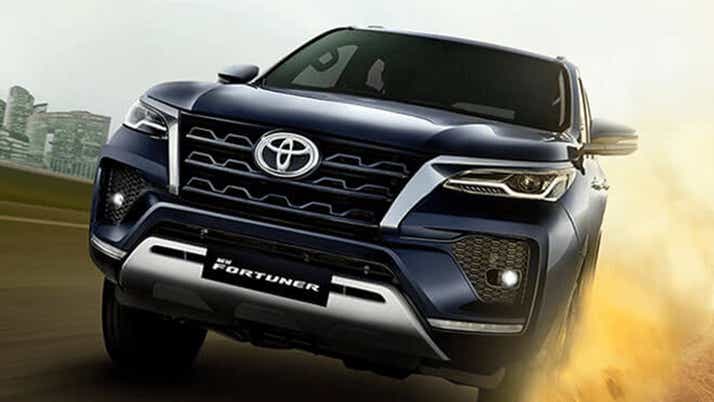
The front gets a large grille with a bold design, flanked by LED headlamps and daytime running lights. The chunky bumper and silver-finished lower section add to its tough appearance, while the raised bonnet gives the driver a clear view of the road ahead.
Side
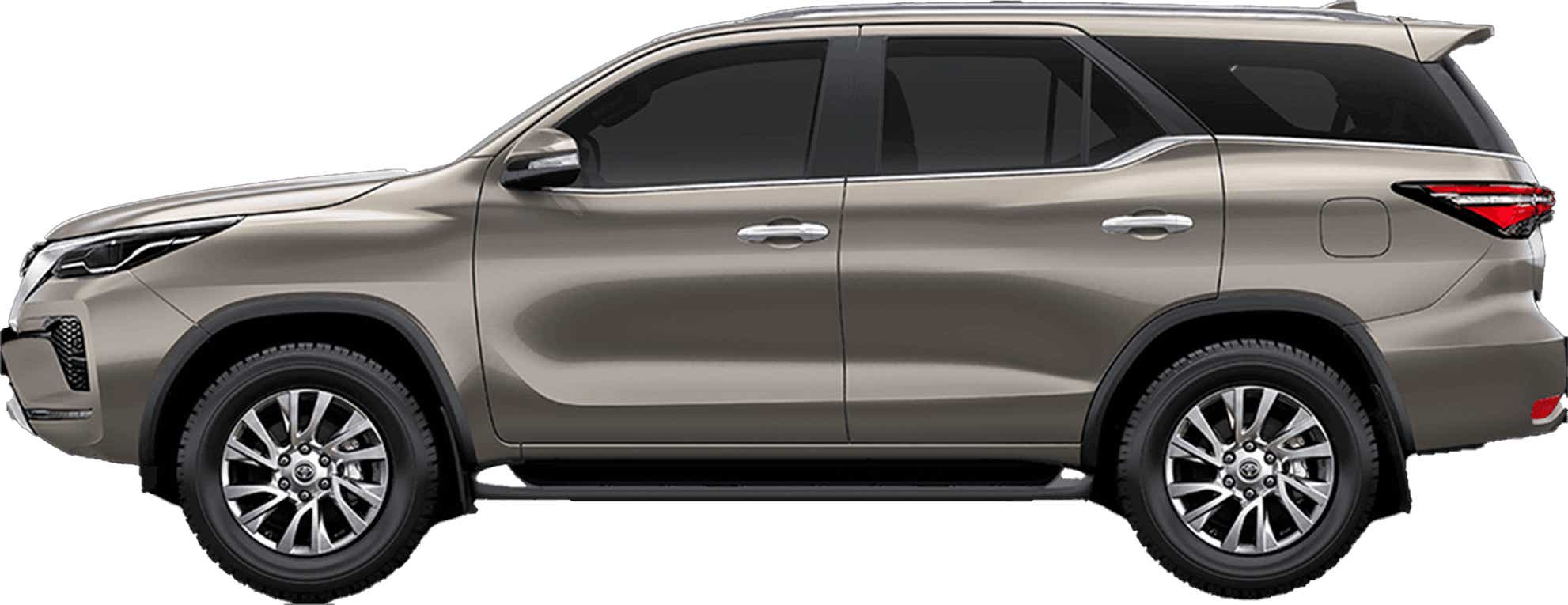
From the side, the Fortuner looks long, tall and substantial. The large windows keep the cabin looking spacious, while the prominent wheel arches add some muscle to the profile. Lower variants get 17-inch alloy wheels, while the 4x4 versions move up to larger 18-inch units.
Rear
The rear follows the same upright design and gives the Fortuner a broad, planted stance. Split LED tail-lamps, a large tailgate and the prominent Fortuner lettering make the rear easy to recognise. The overall design is fairly clean, but the large proportions make it look substantial from almost every angle.
The Fortuner's cabin is built around durability and usability rather than trying to imitate a luxury SUV. It feels substantial and well put together, but some parts of the dashboard and infotainment system are beginning to show their age.
Front Seats
The front seats offer plenty of adjustment and a commanding driving position. Ventilated seats are useful in India's hot weather, while the leather upholstery adds some much-needed premium appeal to the otherwise functional cabin.
Second Row
The second row gets a 60:40 split-folding bench with sliding and reclining functions. Space is good enough for adults, and the one-touch tumble function makes access to the third row easier.
Third Row
The third row is best suited to children or shorter journeys for adults. The high floor means adults sit with their knees raised, which is a common compromise with body-on-frame seven-seaters.
Cabin Technology
The Fortuner gets an 8-inch touchscreen with Apple CarPlay and Android Auto, along with dual-zone climate control and a multi-information display. The 4x4 versions add a JBL audio system, while the Neo Drive brings a wireless charger and 360-degree camera. It is functional rather than cutting-edge. Newer monocoque SUVs offer larger screens and more modern interfaces, but the Fortuner's controls remain straightforward.
Storage Practicality & Boot Space
The Fortuner has plenty of useful storage around the cabin for everyday items and long trips. The cooled upper glovebox is handy for keeping drinks chilled, while the deep centre console provides space for larger items. Wide door pockets and front cup holders add to the practicality, making it easy to keep smaller essentials within reach.
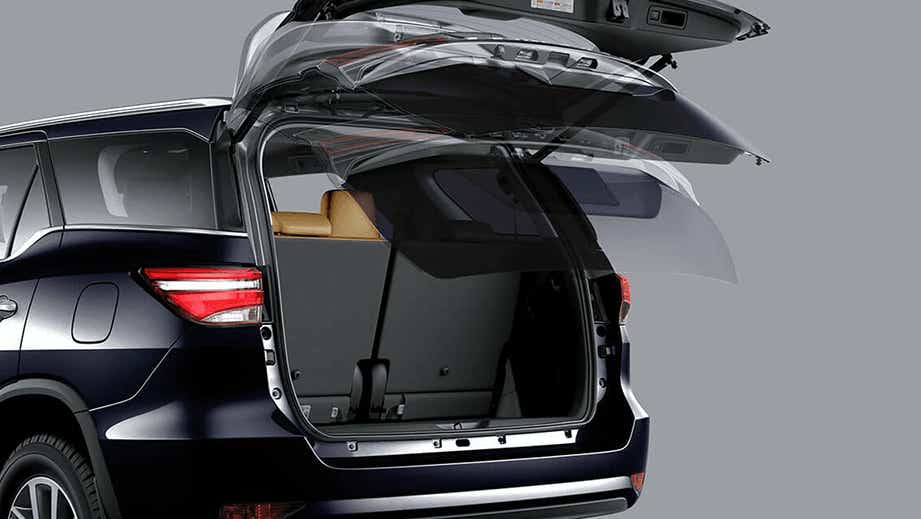
The Fortuner offers 296 litres of boot space with all three rows in use, which is enough for smaller bags but not large suitcases. Fold the third row and capacity increases to 716 litres, while folding both the second and third rows opens up around 1,080 litres of cargo space. This makes the Fortuner far more useful for road trips when you need to carry plenty of luggage.
Safety has always been an important part of the Fortuner package given its size and weight. It gets seven airbags, electronic stability control, ABS with EBD and Brake Assist as standard, along with hill-assistance systems. The Fortuner has also earned a 5-star ASEAN NCAP safety rating.
Passive Safety
The Fortuner gets seven SRS airbags, covering the front occupants, sides, curtains and the driver's knee. Front seatbelts come with pre-tensioners and force limiters, while ISOFIX mounts and tether anchors make it easier to secure child seats. Seatbelt reminders for the second and third rows, WIL Concept front seats and the impact-absorbing body structure add further protection in a crash. An emergency brake signal also flashes the hazard lights during hard braking, helping warn vehicles behind.
Active Safety & Off-Road Assistance
For everyday driving, the Fortuner uses Vehicle Stability Control (VSC), ABS with EBD, Brake Assist, Hill Assist Control and Traction Control to help maintain control during sudden braking, slippery conditions and inclines. The 4x4 versions add Active Traction Control and Downhill Assist Control, which are particularly useful when tackling loose or steep terrain. An electronic differential lock also helps improve traction when one of the driven wheels starts losing grip. Front and rear parking sensors and a reverse camera make the large SUV easier to position in tight spaces, while the Neo Drive 48V adds a 360-degree camera and terrain-focused driving modes.
Toyota Fortuner Safety Features: Variant-Wise
The core safety package remains strong across the range, with the 4x4 and Neo Drive versions adding more equipment aimed at off-road control and easier manoeuvring.
| Safety Feature | Fortuner 4x2 | Fortuner 4x4 | Neo Drive 4x4 | GR-S |
| 7 Airbags | Standard | Standard | Standard | Standard |
| VSC with Brake Assist | Standard | Standard | Standard | Standard |
| ABS with EBD | Standard | Standard | Standard | Standard |
| Hill Assist Control | Standard | Standard | Standard | Standard |
| Traction Control | Standard | Standard | Standard | Standard |
| Active Traction Control | — | Standard | Standard | Standard |
| Downhill Assist Control | — | Standard | Standard | Standard |
| Rear Differential Lock | — | Standard | Standard | Standard |
| Reverse Camera | Standard | Standard | Standard | Standard |
| 360-degree Camera | — | — | Standard | — |
The Fortuner occupies a slightly different position in the Indian market. It is considerably more rugged than most seven-seat monocoque SUVs, while its price also puts it against some more premium road-focused alternatives.
| Model | Ex-Showroom Price | What Makes It Different |
| Toyota Fortuner | ₹34.76-50.46 lakh | Rugged body-on-frame construction and strong resale |
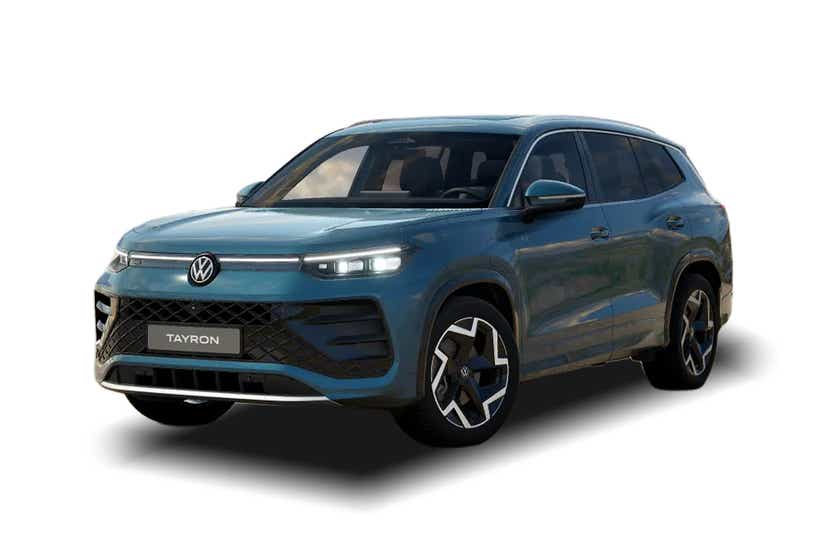
| Volkswagen Tayron R-Line | ₹46.99 lakh | More premium, technology-focused road-going SUV |
| Jeep Meridian | ₹23.33-36.39 lakh | More comfortable monocoque SUV with AWD |
| MG Majestor | ₹42.49-44.99 lakh | Large, feature-rich SUV with a premium cabin and strong road presence |
Toyota Fortuner vs Volkswagen Tayron R-Line
The Tayron is aimed at a very different buyer. Its strengths are refinement, technology, ride quality and a modern cabin. It is the easier choice if the SUV will spend almost all its time on highways and city roads.
The Fortuner makes more sense when ruggedness, proven mechanicals and off-road capability matter more than cabin sophistication.
Toyota Fortuner vs Jeep Meridian
The Meridian is smaller, easier to drive in the city and more comfortable over poor urban roads. Its monocoque construction gives it a more car-like feel.
The Fortuner counters that with its bigger diesel engine, stronger off-road hardware, larger road presence and a more established reputation for durability.
Toyota Fortuner vs MG Majestor
The Majestor offers a more modern, feature-rich cabin and a more premium experience on regular roads. It is for buyers who want plenty of technology, space and comfort from a large SUV.
The Fortuner, however, has a stronger reputation for long-term durability and offers a more traditional 4x4 setup. If you expect to spend time away from paved roads, the Toyota remains the more convincing choice.
Which Premium SUV Makes More Sense?
- Toyota Fortuner: Best for buyers who want a durable, traditional SUV with genuine 4x4 ability.
- Volkswagen Tayron R-Line: The choice for buyers who prioritise refinement, technology and highway driving.
- Jeep Meridian: A sensible option if you want a more manageable seven-seater with AWD capability.
- MG Majestor: Better for those who want a premium cabin, modern features and plenty of space.
The Fortuner's demand becomes clearer when you stop comparing it only on features and look at how it is meant to be used. Its strengths are largely mechanical, while most of its drawbacks come from the same rugged construction that gives it its character.
| Pros | Cons |
| Proven 2.8-litre diesel delivers strong torque and feels effortless on highways | Firm ride can feel unsettled over broken city roads and sharp bumps |
| Proper 4x4 system with low-range gearing makes it capable on difficult terrain | Large size and heavy steering can make tight streets, U-turns and parking cumbersome |
| Seven-seat layout offers good space in the first two rows | Third row is better suited to children or shorter adults on longer journeys |
| Strong reputation for reliability, durability and high resale value | Cabin design and infotainment feel dated compared with newer premium SUVs |
| 80-litre fuel tank gives the diesel a useful touring range between fuel stops | Petrol version has noticeably higher running costs, especially in city traffic |
The Fortuner is therefore less about having the longest feature list and more about offering a package that has proved itself over years of Indian use.
The Fortuner is worth buying if you want a rugged, traditional SUV with a strong road presence and proven mechanicals. At this price, newer SUVs offer more modern cabins, better ride quality and considerably more technology, but the Toyota's appeal lies elsewhere.
Its ladder-frame construction, strong diesel engine, 4x4 hardware and reputation for durability make it particularly attractive to people who travel long distances or regularly deal with bad roads. Strong resale value also plays a big part in the overall ownership equation.
If you mostly drive in the city, there is little reason to pay extra for 4x4. The diesel 4x2 automatic is a better fit for most urban and highway users, while the petrol makes sense for buyers with lower annual running who prefer a quieter powertrain. For genuine off-road use, the diesel 4x4 is the obvious route. If you want the same basic capability with an automatic gearbox and added low-speed assistance, the Neo Drive 48V is the more interesting option.
There are alternatives worth considering, too. The MG Majestor is better suited to buyers who want a more premium cabin and more modern features. At the same time,e the Volkswagen Tayron R-Line focuses more on refinement, technology and ride quality. The Jeep Meridian is another option if you want a more manageable, car-like seven-seater with AWD.
The bigger question is whether you want the Fortuner's old-school character. If you do, very few SUVs match its combination of size, durability, resale value, road presence and genuine off-road hardware.
Toyota Fortuner Reviews


 User Review summaryPowered By User4.3
- HKHari Kishoreon 30th May 20254.0
- AAnonymouson 5th June 20255.0
- RRevmasteron 14th June 20255.0

Toyota Fortuner Mileage
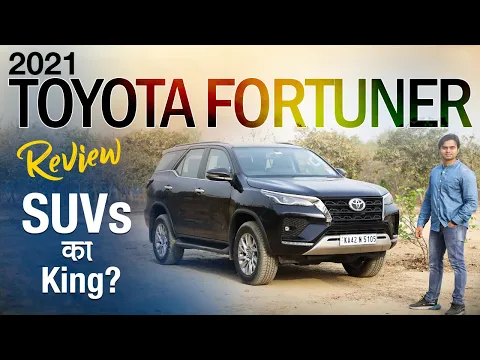
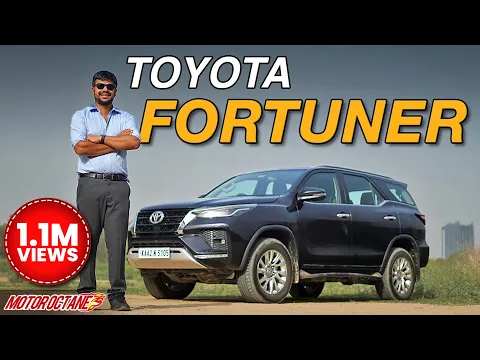
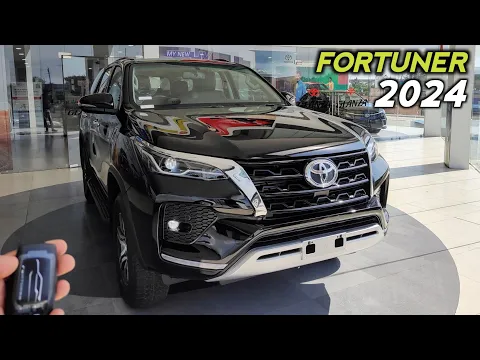
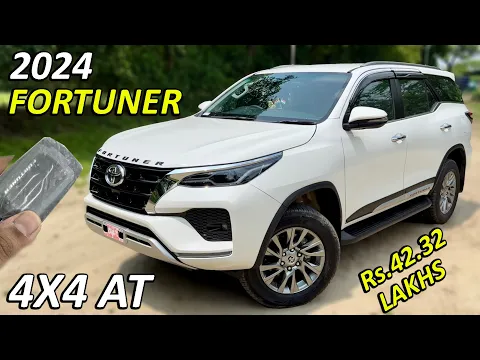
View MileageToyota Fortuner Videos
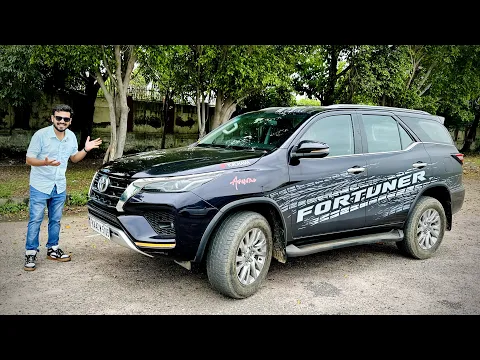













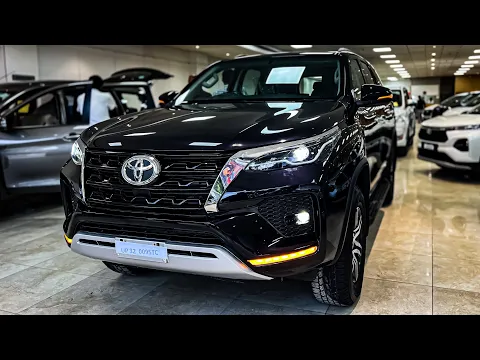

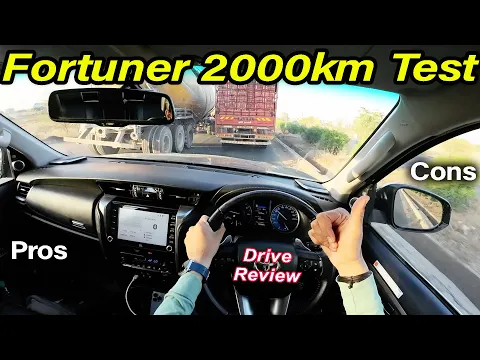
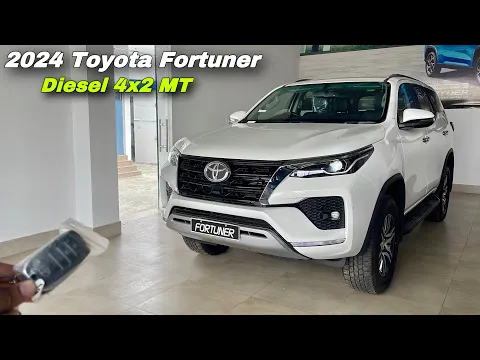
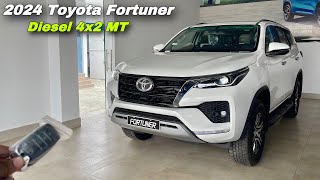
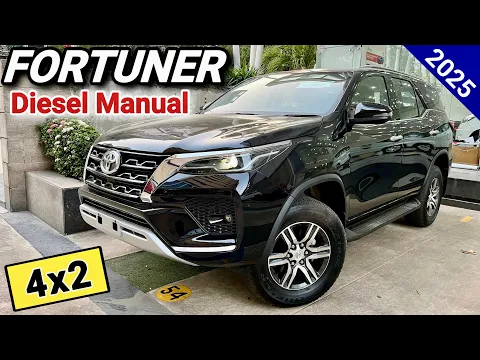

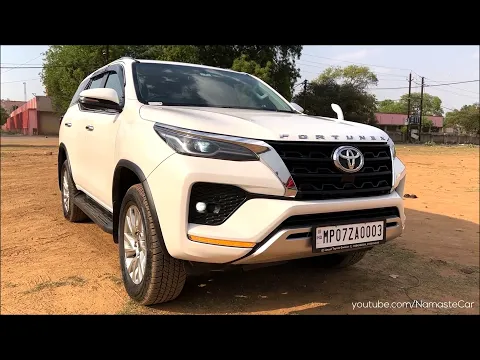

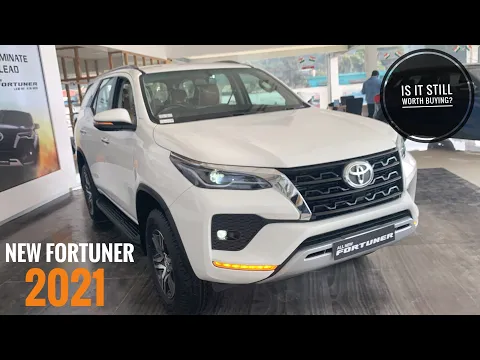

Sales spotlight: Fortuner cruises into top ranks
Discover this standout car, currently ranked 19 on the Cars24 sales Leaderboard. With monthly sales of 3076 units, Fortuner continues to impress with its combination of style and performance.


Fortuner last 6 months Sales
Toyota Fortuner Shorts
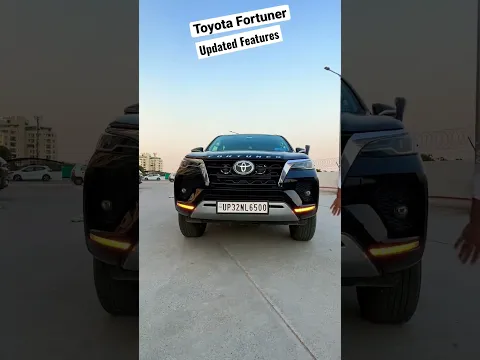
- Toyota Fortuner Updated Features in 2023 Model #reels
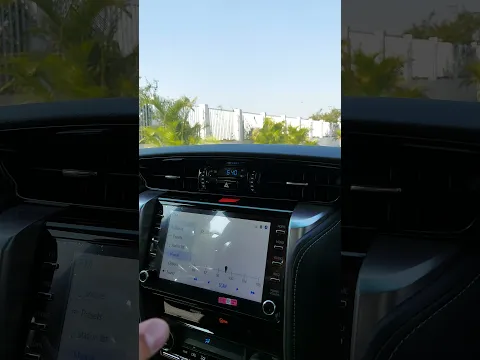
- Mehenga Wala Feature In Fortuner #shorts #toyota #fortuner
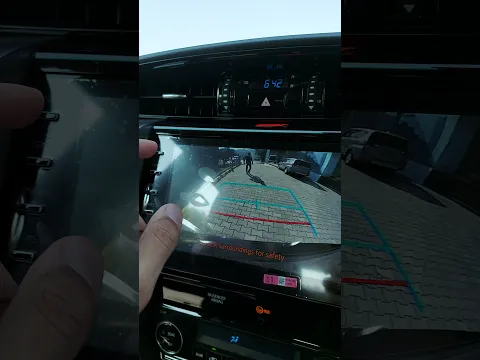
- Yeh Dekh ke Maza Nahi Aaya #shorts #toyota #fortuner
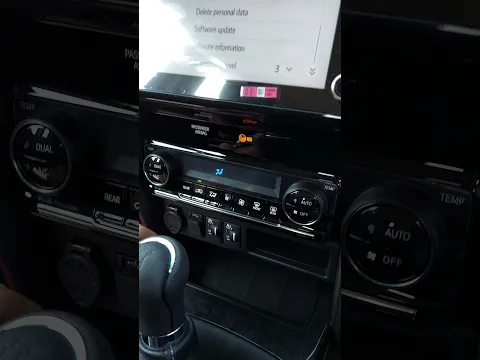
- Garmi Me Full Aaram in Fortuner 🔥 #shorts #toyota #fortuner
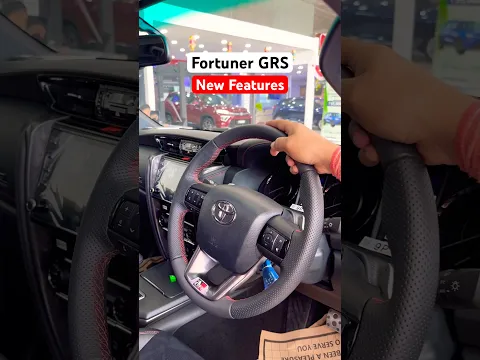
- Toyota Fortuner GR - Sport New Features 🔥
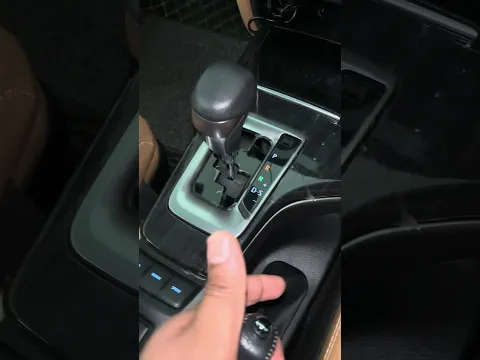
- NEW FORTUNER Auto gear shifts
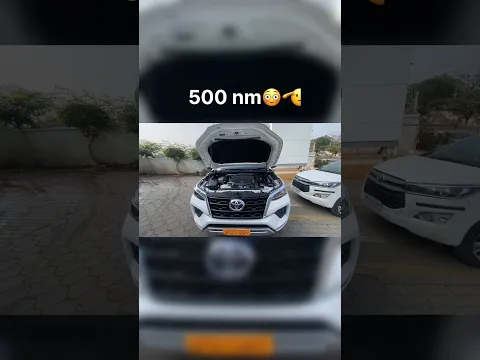
- Toyota fortuner engine specifications #toyotafortuner#toyota#fortuner#youtubeshorts#information#cars
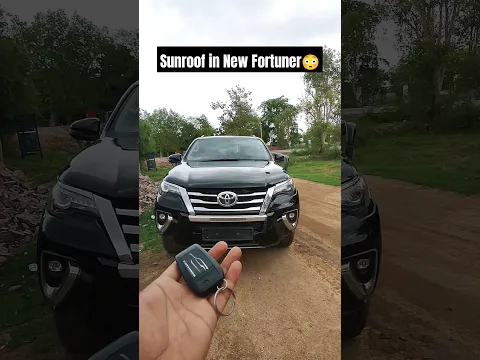
- Sunroof in New Fortuner 2025😳Full Feature Loaded🤪 #shorts #ytshorts #fortuner #fortunerlover
- सबसे सस्ती Fortuner🔥! Base Model 4x2 Diesel MT😍 #shorts
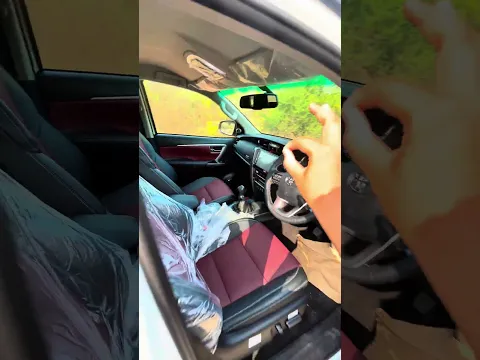
- Fortuner ki 3rd Row | Ok Ok Hai Not very Comfortable

- Fortuner interior kesa hai ? #shorts

- TOYOTA FORTUNER REVERSE GEAR #youtubeshorts #fortuner #shorts
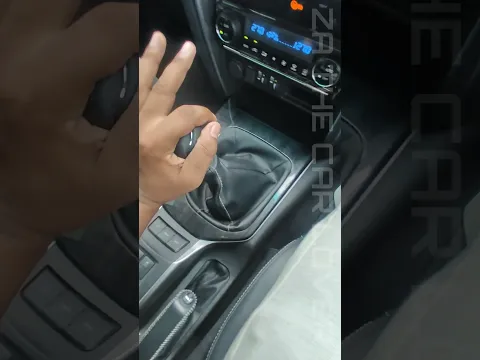
- Top 5 reasons to buy FORTUNER in 2023

- Hidden feature of Toyota Fortuner Legender
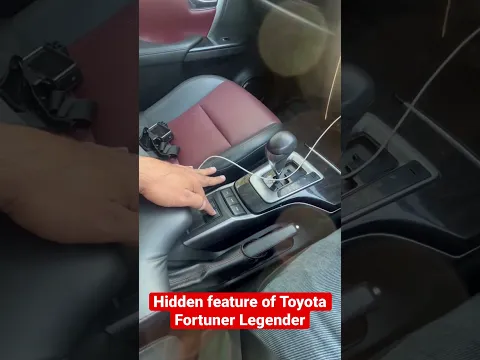
- Fortuner Base Model MT - has so many features 🔥 #Shorts

- 2022 Toyota Fortuner Legender Boot Space!

- 🤯Top 5 Features of Toyota Fortuner Legender in Pakistan #fortunerlegender

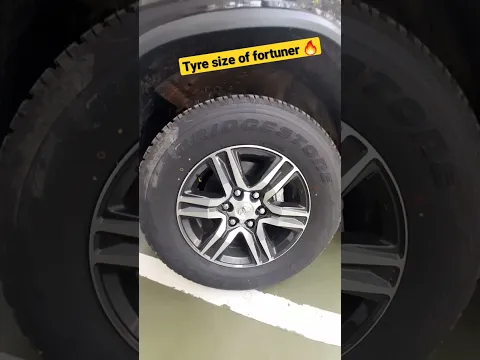
- tyre size of the fortuner 😈 #shorts #fortuner #viral #trending #toyota
- TOYOTA FORTUNER LEGENDER 2025 🔥🔥
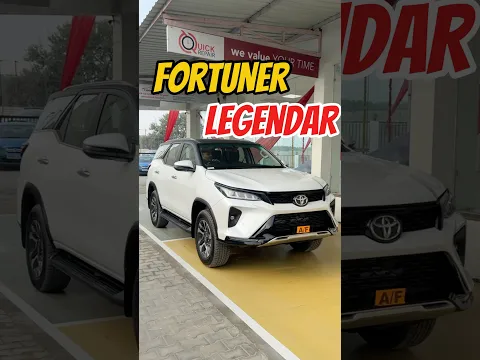
- Petrol Fortuner Average #fortuner #goodmileage #fortunerlover #carlover #car #trending #toyota

Compare Toyota Fortuner with Similar Cars
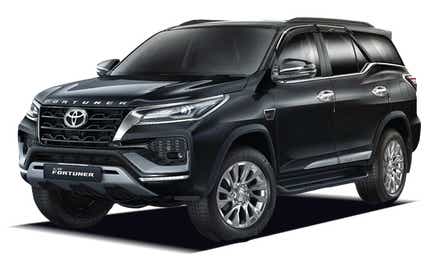 ToyotaFortuner₹33.43L - 51.44L*
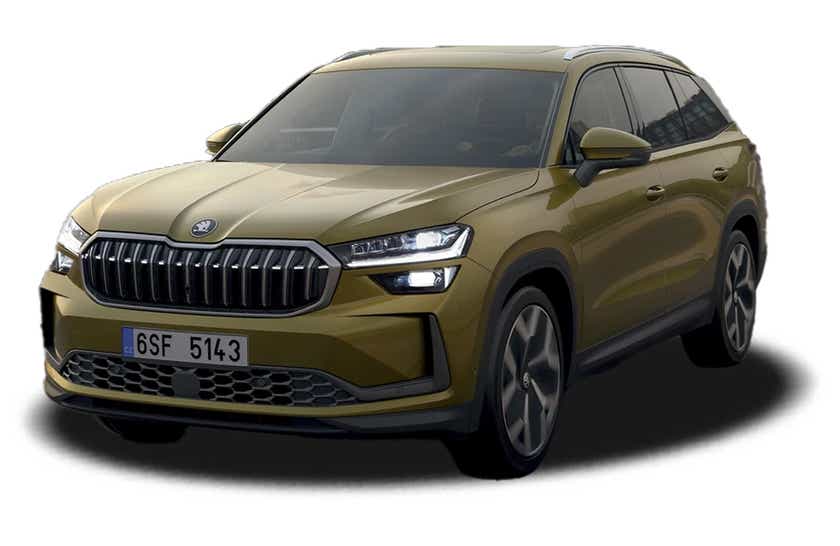
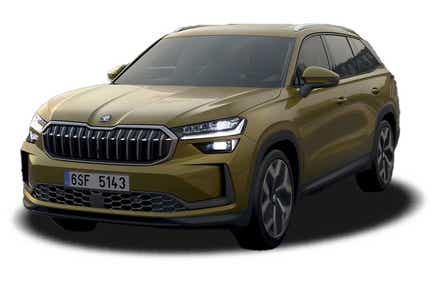 SkodaKodiaq₹39.99L - 45.96L*
- ToyotaFortuner₹33.43L - 51.44L*
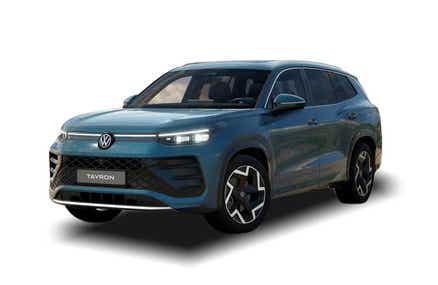 VolkswagenTayron₹46.99L*
 - ToyotaFortuner₹33.43L - 51.44L*
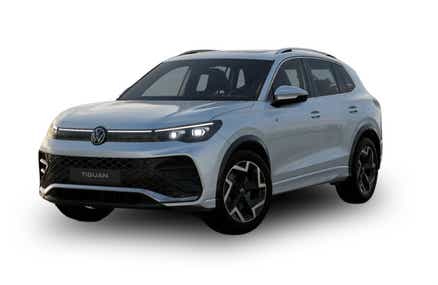 VolkswagenTiguan₹35.17L - 45.73L*
 - ToyotaFortuner₹33.43L - 51.44L*
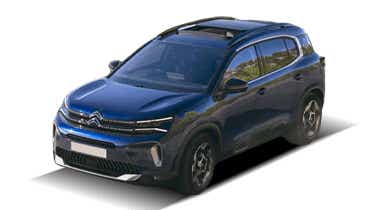 CitroenC5 Aircross₹36.91L - 37.32L*
 - ToyotaFortuner₹33.43L - 51.44L*
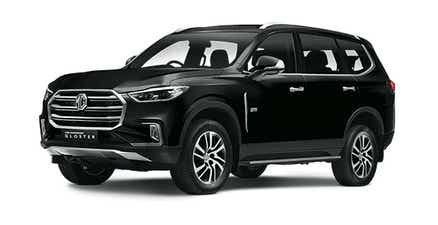 MGGloster₹38.33L - 46.24L*
 - ToyotaFortuner₹33.43L - 51.44L*Add cars
Parallel picks for you!
Frequently Asked Questions
It depends on what you value. The Fortuner is expensive compared with several feature-rich SUV. Still, its strong diesel engine, 4x4 hardware, durability and resale value make it appealing to buyers who want a long-term SUV rather than a technology-heavy family car.
For most buyers, the 2.8-litre diesel 4x2 automatic is the most balanced option. If you regularly go off-road, the 4x4 versions make more sense, while the Neo Drive 4x4 AT adds mild-hybrid assistance and extra technology.
It can be, but it is not as easy to manoeuvre as a smaller monocoque SUV. Its size, turning radius and firm suspension are noticeable in tight urban areas. The automatic gearbox and high driving position make daily use easier.
Yes. The 2.8-litre diesel is available with a proper 4x4 system featuring high- and low-range gearing. The 4x4 versions also get features such as Active Traction Control, Downhill Assist Control and a rear differential lock.
The Toyota Fortuner has around 225 mm of ground clearance, which is useful for clearing rough surfaces, large speed breakers and uneven trails.
What is the Fortuner fuel tank capacity?
The Fortuner gets an 80-litre fuel tank, which is particularly useful for long highway journeys where fuel stops may be far apart.
How many airbags does the Fortuner get?
The Fortuner comes with seven SRS airbags as standard, including front, side, curtain and driver-knee airbags. Toyota also provides features such as VSC, ABS with EBD, Brake Assist and Hill Assist Control.
Does the Toyota Fortuner have a sunroof?
No. The Fortuner does not offer a sunroof, including a panoramic unit. This is one area where newer premium SUVs have a clear equipment advantage.
What is the Toyota Fortuner Neo Drive 48V?
It is a mild-hybrid version of the 2.8-litre diesel Fortuner. The system uses a 48V battery and an 8.5 kW motor-generator to assist the engine at low speeds and enable start-stop functionality. It is offered with a 4x4 automatic drivetrain.



All Sibling Models of Toyota
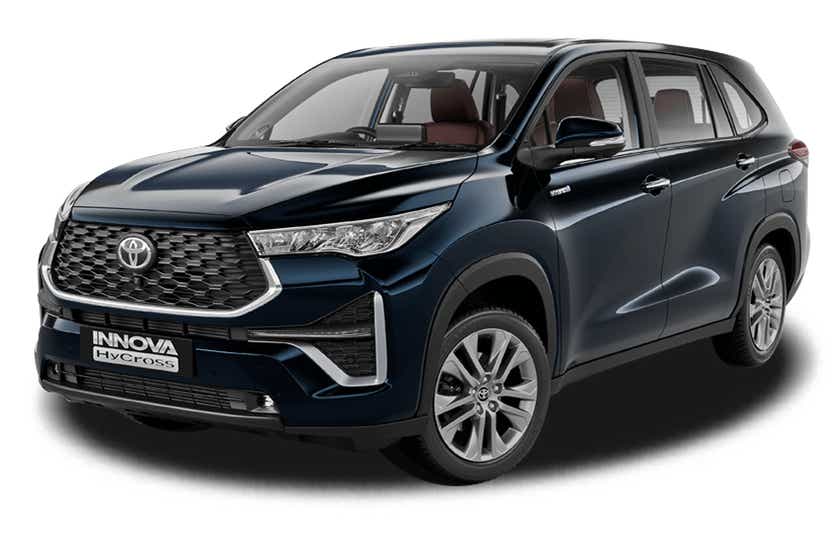
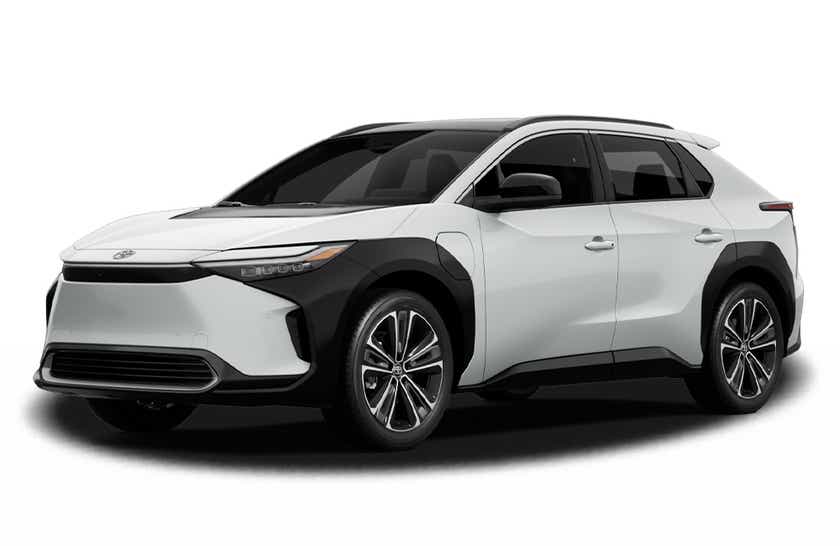

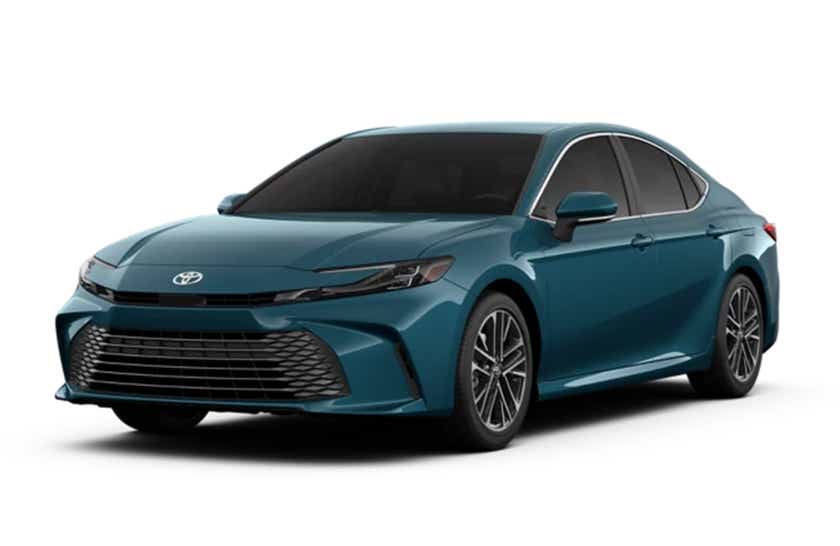
All Model Make Filter
- Recently Launched 7 Seater Cars
- Recently Launched Manual Cars
- Recently Launched Automatic Cars
- Recently Launched Suv Cars
- Recently Launched Petrol Cars
- Recently Launched Diesel Cars
- Recently Launched Hybrid Cars
- Recently Launched 2000 to 3000cc Cars
- Recently Launched Upto 30kmpl Cars
- Recently Launched 4wd Cars
- Recently Launched 4 Cylinder Cars
- Recently Launched Abs Cars
- Recently Launched Hill Hold Assist Cars
- Recently Launched Traction Control Cars
- Recently Launched Cars Under 35 Lakhs
- Recently Launched Cars Under 50 Lakhs
- Recently Launched Cars Under 1 Crore
- 7 Seater Manual Cars
- 7 Seater Automatic Cars
- 7 Seater Suv Cars
- 7 Seater Petrol Cars
- 7 Seater Diesel Cars
- 7 Seater Hybrid Cars
- 7 Seater 2000 to 3000cc Cars
- 7 Seater Upto 30kmpl Cars
- 7 Seater 4wd Cars
- 7 Seater 4 Cylinder Cars
- 7 Seater Abs Cars
- 7 Seater Hill Hold Assist Cars
- 7 Seater Traction Control Cars
- 7 Seater Cars Under 35 Lakhs
- 7 Seater Cars Under 50 Lakhs
- 7 Seater Cars Under 1 Crore
- Manual Suv Cars
- Manual Petrol Cars
- Manual Diesel Cars
- Manual 2000 to 3000cc Cars
- Manual Upto 30kmpl Cars
- Manual 4wd Cars
- Manual 4 Cylinder Cars
- Manual Abs Cars
- Manual Hill Hold Assist Cars
- Manual Traction Control Cars
- Manual Cars Under 35 Lakhs
- Manual Cars Under 50 Lakhs
- Automatic Suv Cars
- Automatic Petrol Cars
- Automatic Diesel Cars
- Automatic Hybrid Cars
- Automatic 2000 to 3000cc Cars
- Automatic Upto 30kmpl Cars
- Automatic 4wd Cars
- Automatic 4 Cylinder Cars
- Automatic Abs Cars
- Automatic Hill Hold Assist Cars
- Automatic Traction Control Cars
- Automatic Cars Under 50 Lakhs
- Automatic Cars Under 1 Crore
- Suv Petrol Cars
- Suv Diesel Cars
- Suv Hybrid Cars
- Suv 2000 to 3000cc Cars
- Suv Upto 30kmpl Cars
- Suv 4wd Cars
- Suv 4 Cylinder Cars
- Suv Abs Cars
- Suv Hill Hold Assist Cars
- Suv Traction Control Cars
- Suv Cars Under 35 Lakhs
- Suv Cars Under 50 Lakhs
- Suv Cars Under 1 Crore
- Petrol 2000 to 3000cc Cars
- Petrol Upto 30kmpl Cars
- Petrol 4 Cylinder Cars
- Petrol Abs Cars
- Petrol Hill Hold Assist Cars
- Petrol Traction Control Cars
- Petrol Cars Under 35 Lakhs
- Petrol Cars Under 50 Lakhs
- Diesel 2000 to 3000cc Cars
- Diesel Upto 30kmpl Cars
- Diesel 4wd Cars
- Diesel 4 Cylinder Cars
- Diesel Abs Cars
- Diesel Hill Hold Assist Cars
- Diesel Traction Control Cars
- Diesel Cars Under 50 Lakhs
- Diesel Cars Under 1 Crore
- Hybrid 2000 to 3000cc Cars
- Hybrid Upto 30kmpl Cars
- Hybrid 4 Cylinder Cars
- Hybrid Abs Cars
- Hybrid Hill Hold Assist Cars
- Hybrid Traction Control Cars
- Hybrid Cars Under 50 Lakhs
- 2000 to 3000cc Upto 30kmpl Cars
- 2000 to 3000cc 4wd Cars
- 2000 to 3000cc 4 Cylinder Cars
- 2000 to 3000cc Abs Cars
- 2000 to 3000cc Hill Hold Assist Cars
- 2000 to 3000cc Traction Control Cars
- 2000 to 3000cc Cars Under 35 Lakhs
- 2000 to 3000cc Cars Under 50 Lakhs
- 2000 to 3000cc Cars Under 1 Crore
- Upto 30kmpl 4wd Cars
- Upto 30kmpl 4 Cylinder Cars
- Upto 30kmpl Abs Cars
- Upto 30kmpl Hill Hold Assist Cars
- Upto 30kmpl Traction Control Cars
- Upto 30kmpl Cars Under 35 Lakhs
- Upto 30kmpl Cars Under 50 Lakhs
- Upto 30kmpl Cars Under 1 Crore
- 4wd 4 Cylinder Cars
- 4wd Abs Cars
- 4wd Hill Hold Assist Cars
- 4wd Traction Control Cars
- 4wd Cars Under 50 Lakhs
- 4wd Cars Under 1 Crore
- 4 Cylinder Abs Cars
- 4 Cylinder Hill Hold Assist Cars
- 4 Cylinder Traction Control Cars
- 4 Cylinder Cars Under 35 Lakhs
- 4 Cylinder Cars Under 50 Lakhs
- 4 Cylinder Cars Under 1 Crore
- Abs Cars Under 35 Lakhs
- Abs Cars Under 50 Lakhs
- Abs Cars Under 1 Crore
- Hill Hold Assist Cars Under 35 Lakhs
- Hill Hold Assist Cars Under 50 Lakhs
- Hill Hold Assist Cars Under 1 Crore
- Traction Control Cars Under 35 Lakhs
- Traction Control Cars Under 50 Lakhs
- Traction Control Cars Under 1 Crore
- Toyota Upcoming Cars
- Toyota Recently Launched Cars
- Toyota Discontinued Cars
- Toyota 5 Seater Cars
- Toyota 7 Seater Cars
- Toyota 8 Seater Cars
- Toyota Manual Cars
- Toyota Automatic Cars
- Toyota Sedan Cars
- Toyota Suv Cars
- Toyota Hatchback Cars
- Toyota Muv Cars
- Toyota Minivan Cars
- Toyota Pickup Truck Cars
- Toyota Petrol Cars
- Toyota Cng Cars
- Toyota Electric Cars
- Toyota Diesel Cars
- Toyota Hybrid Cars
- Toyota 0 to 1000cc Cars
- Toyota 1000 to 1500cc Cars
- Toyota 1500 to 2000cc Cars
- Toyota 2000 to 3000cc Cars
- Toyota Above 3000cc Cars
- Toyota Upto 30kmpl Cars
- Toyota 30 to 40kmpl Cars
- Toyota Awd Cars
- Toyota Fwd Cars
- Toyota Rwd Cars
- Toyota 4wd Cars
- Toyota 4 Cylinder Cars
- Toyota 6 Cylinder Cars
- Toyota Abs Cars
- Toyota Esc Cars
- Toyota Hill Hold Assist Cars
- Toyota Traction Control Cars
- Toyota Tpms Cars
- Toyota Adaptive Cruise Control Cars
- Toyota Sunroof Cars
- Toyota Panoramic Cars
- Toyota Moonroof Cars
- Toyota Cars Under 7 Lakhs
- Toyota Cars Under 10 Lakhs
- Toyota Cars Under 15 Lakhs
- Toyota Cars Under 20 Lakhs
- Toyota Cars Under 25 Lakhs
- Toyota Cars Under 30 Lakhs
- Toyota Cars Under 35 Lakhs
- Toyota Cars Under 50 Lakhs
- Toyota Cars Under 1 Crore
- Toyota Cars Under 2 Crore
- Toyota Cars Under 5 Crore
- Maruti Suzuki
- Tata
- Hyundai
- Mahindra
- Kia
- Honda
- Renault
- Skoda
- Mg
- Nissan
- Volkswagen
- Citroen
- Bmw
- Mercedes Benz
- Xiaomi
- Ford
- Jeep
- Audi
- Jaguar
- Land Rover
- Rolls Royce
- Byd
- Force
- Tesla
- Vinfast
- Bentley
- Lamborghini
- Ola Electric
- Maserati
- Volvo
- Aston Martin
- Ferrari
- Isuzu
- Mclaren
- Mini
- Lotus
- Porsche
- Lexus