















Explore New Cars

The influencers' perspective
















Upcoming cars




















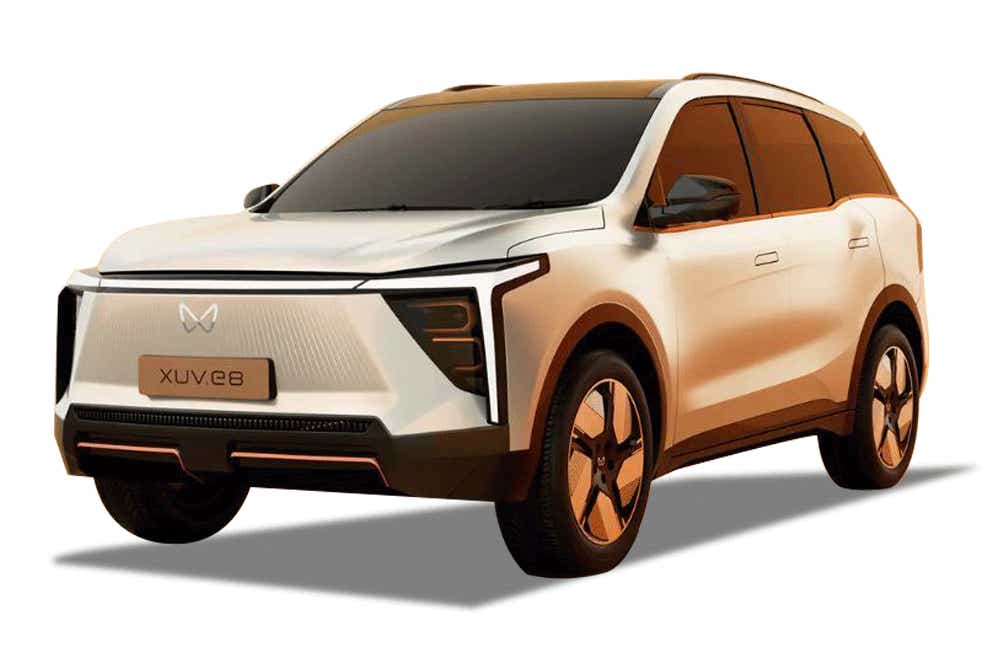



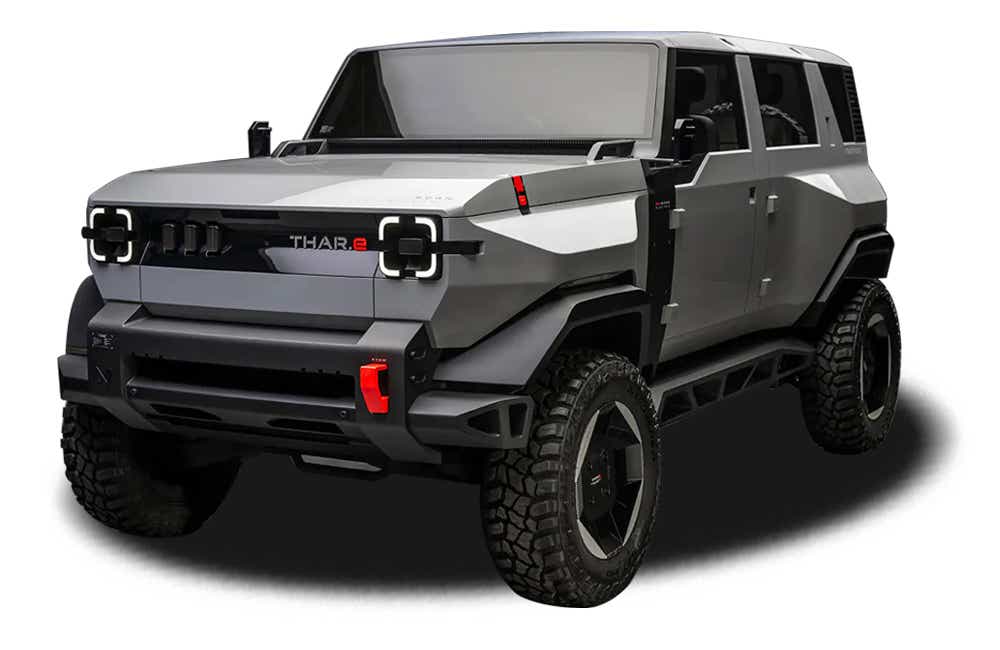





Newsroom
 Auto Insider6 MINS READ
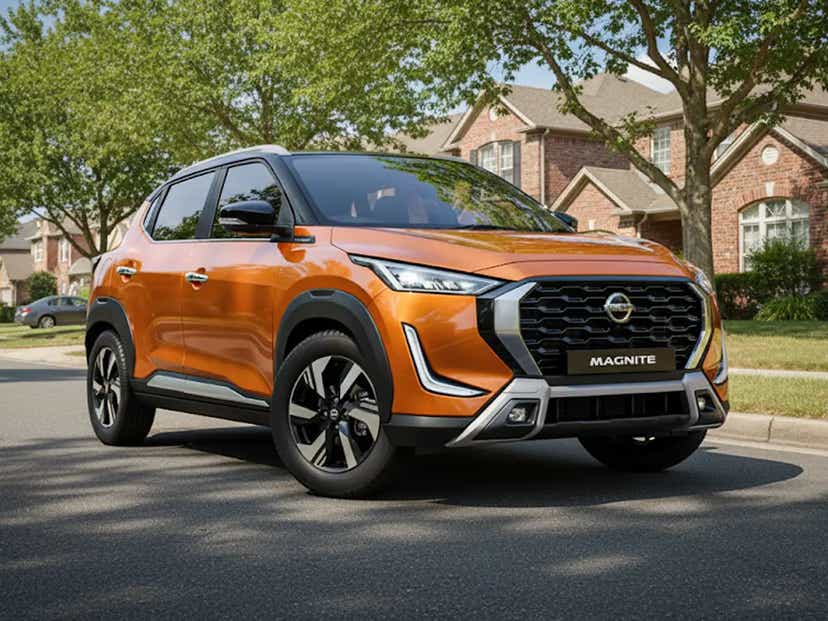
Nissan Magnite accessories and prices — The complete list you actually need in 2026
 Reema Bohraposted on 1st April 2026
 Auto Insider4 MINS READ
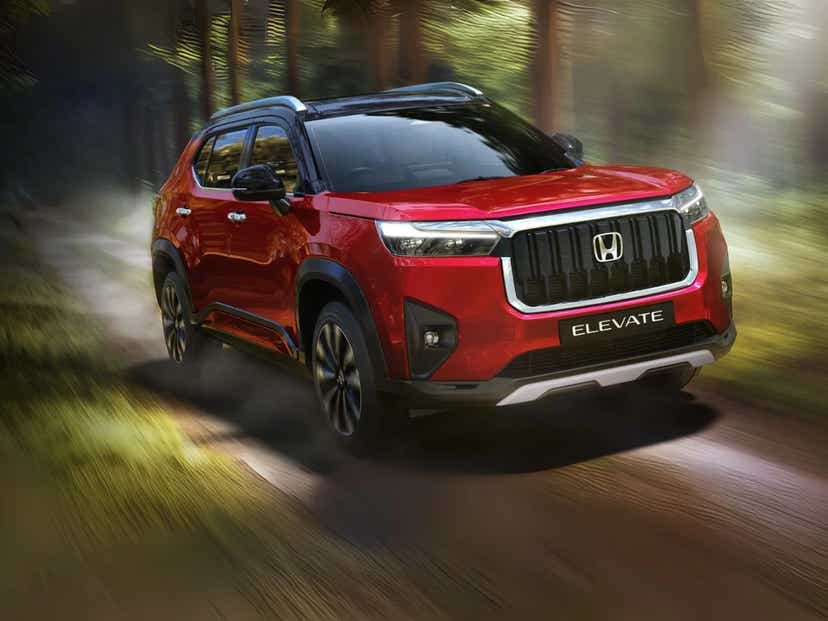
Car price hike from April 2026 — Every brand that has confirmed an increase
Reema Bohraposted on 31st March 2026 Auto Insider3 MINS READ
Skoda Kodiaq recalled in India — Here’s what could go wrong in a crash
Reema Bohraposted on 31st March 2026 Auto Insider3 MINS READ
Hyundai Venue crash test — Bags 5-star bharat NCAP safety rating
Reema Bohraposted on 31st March 2026 Auto Insider4 MINS READ
Kia Seltos crash test scored 5 star rating in Bharat NCAP — All details inside
Reema Bohraposted on 31st March 2026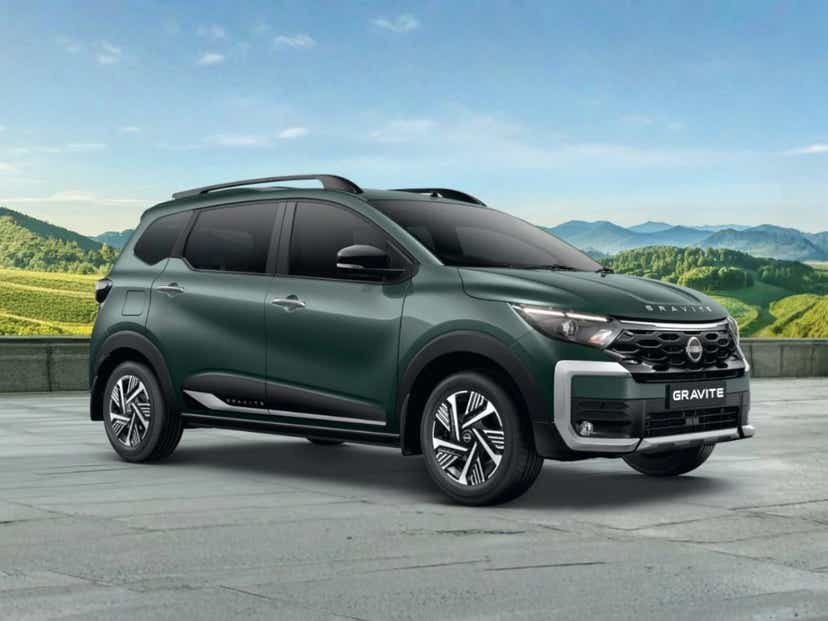 Auto Insider4 MINS READ
Nissan Gravite accessory you shouldn’t ignore in 2026 — Full list with latest prices
Reema Bohraposted on 30th March 2026 Auto Insider8 MINS READ
Excise duty on petrol and diesel reduced — What changed, what didn’t, and why
Reema Bohraposted on 28th March 2026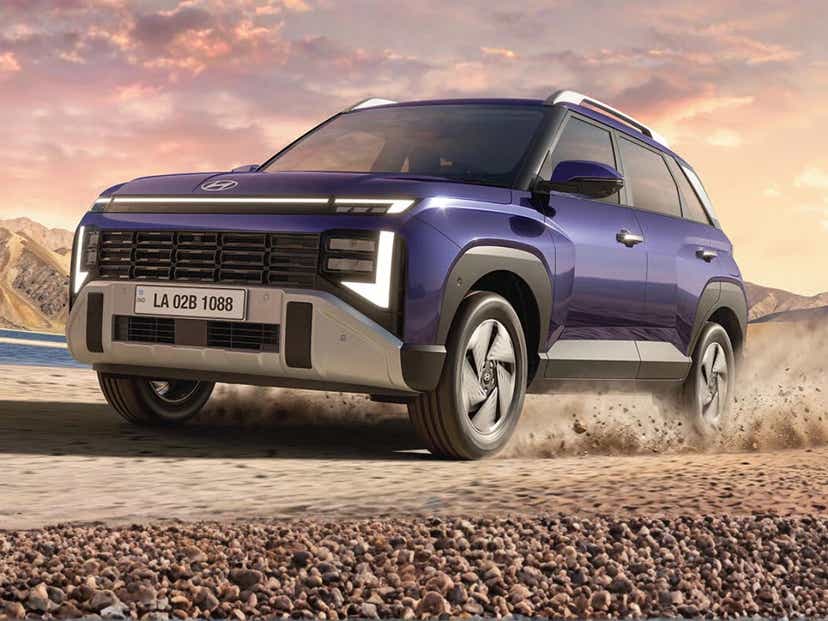 Auto Insider4 MINS READ
2026 Hyundai Venue prices hiked by up to Rs 20,000 — Select trims remain unchanged
Reema Bohraposted on 28th March 2026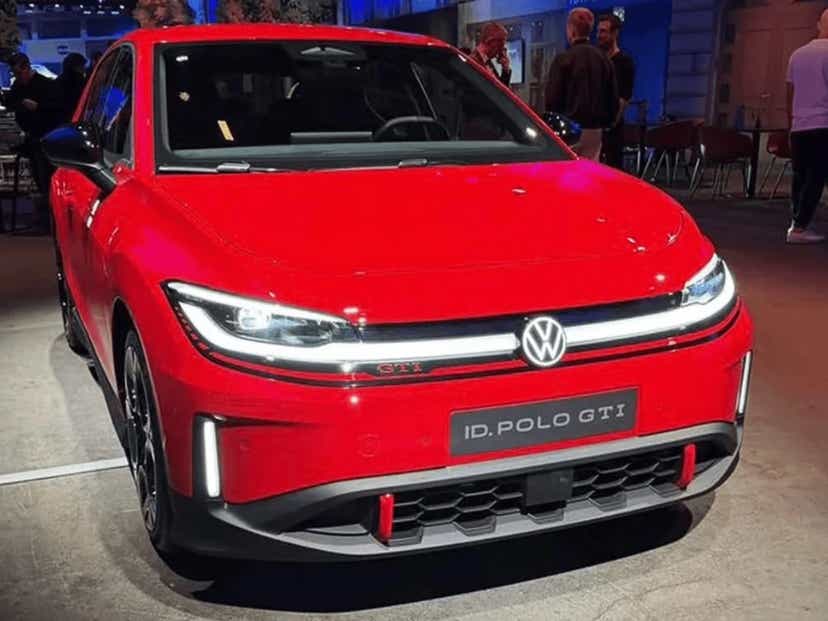 Auto Insider4 MINS READ
Volkswagen ID Polo EV leaked in full ahead of global debut — Design, features, and battery
Reema Bohraposted on 27th March 2026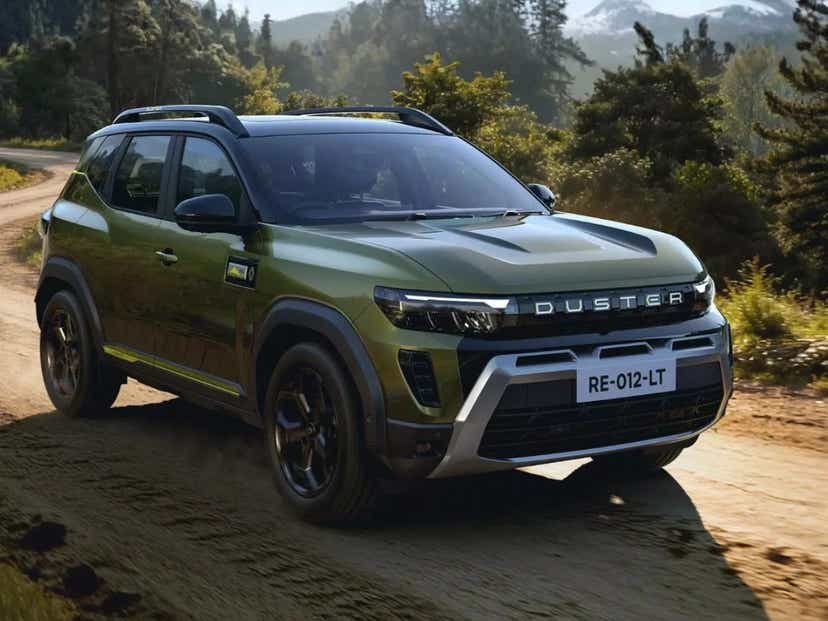 Auto Insider4 MINS READ
New Renault Duster accessories and prices — Complete list for 2026
Reema Bohraposted on 27th March 2026
Recently launched cars




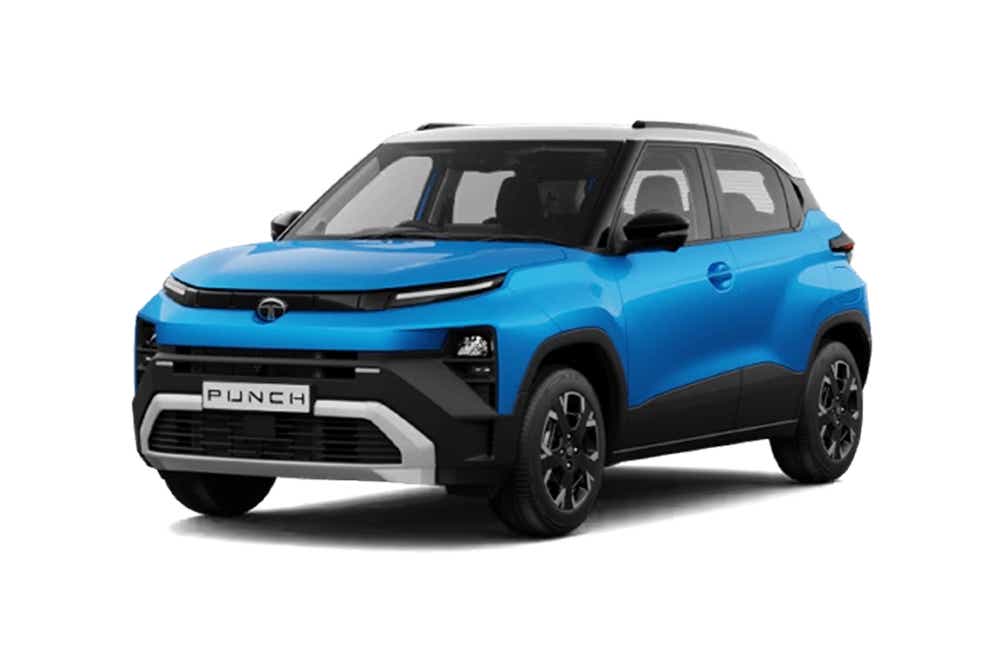
Wheel to wheel comparison


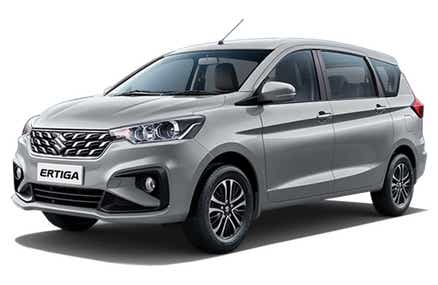
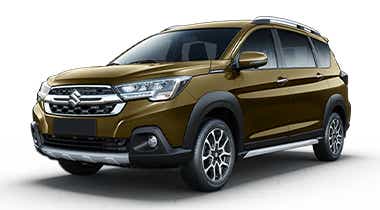
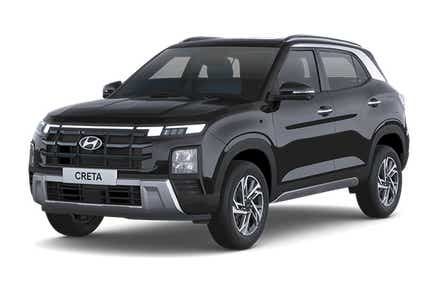

A Complete Overview of the New Cars in India Market
India's new car market has changed a lot in the past ten years as manufacturers are launching updated models more often than before. Facelifts, new generation cars, and feature additions now come at shorter intervals and consequently, buyers see improvements in safety, design, and technology even in the life of a model. As competition between automakers has grown, companies have also grown in their line-ups to include new model car price points and vehicle categories.
In FY2024-25, the passenger vehicle industry of India had registered sales of approximately 43 lakh units and was one of the best years for the industry. This growth has resulted in a greater variety of new vehicles being introduced, from small city cars right through family SUVs and electric models designed for city commuting. As a result, the buyers have more options than ever before when they compare the new cars available in India.
To help buyers quickly understand some of the widely known options in the market, the table below highlights popular car brands in India along with their well-known models, body types, starting prices, and available fuel options:
| Brand | Popular Model | Body Type | Starting Price (Ex-Showroom) | Fuel Options |
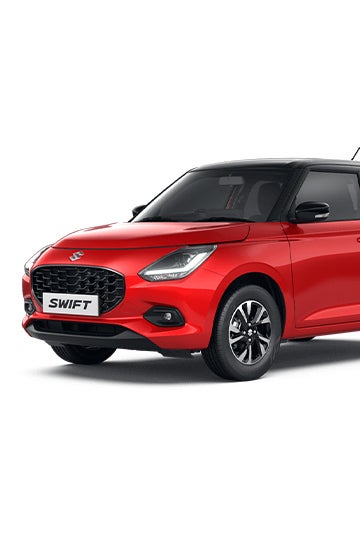
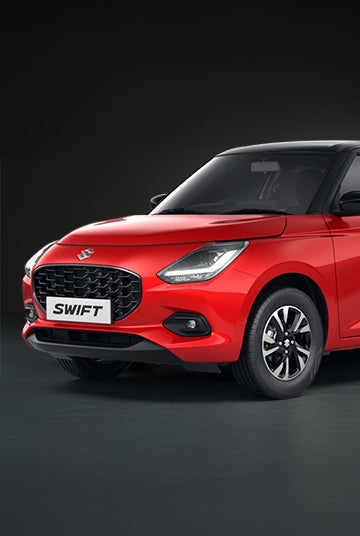
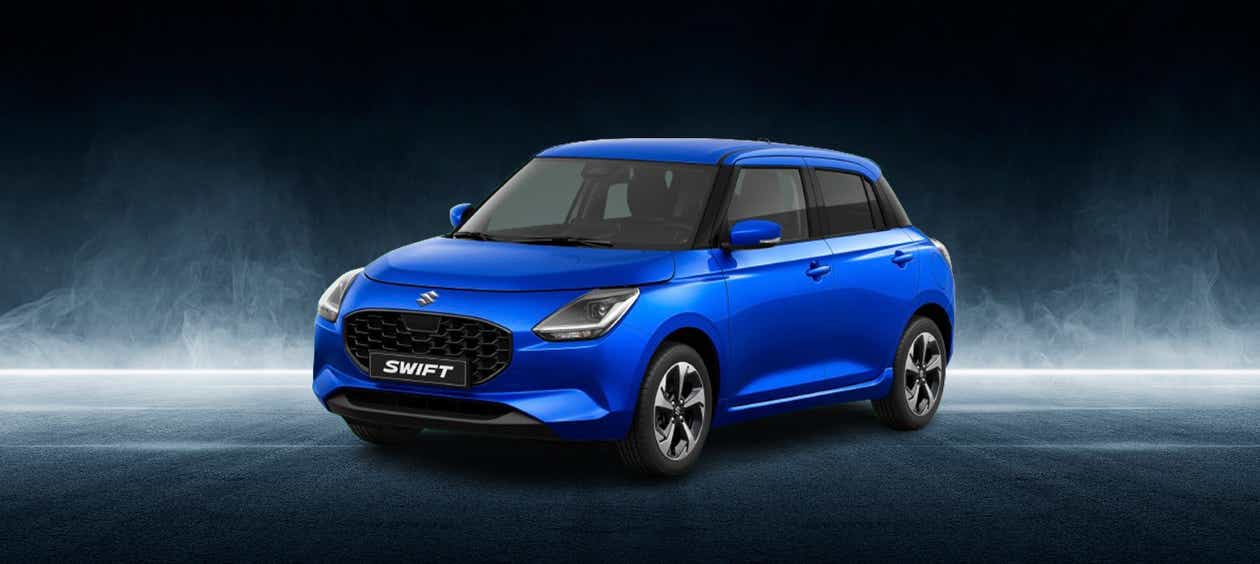
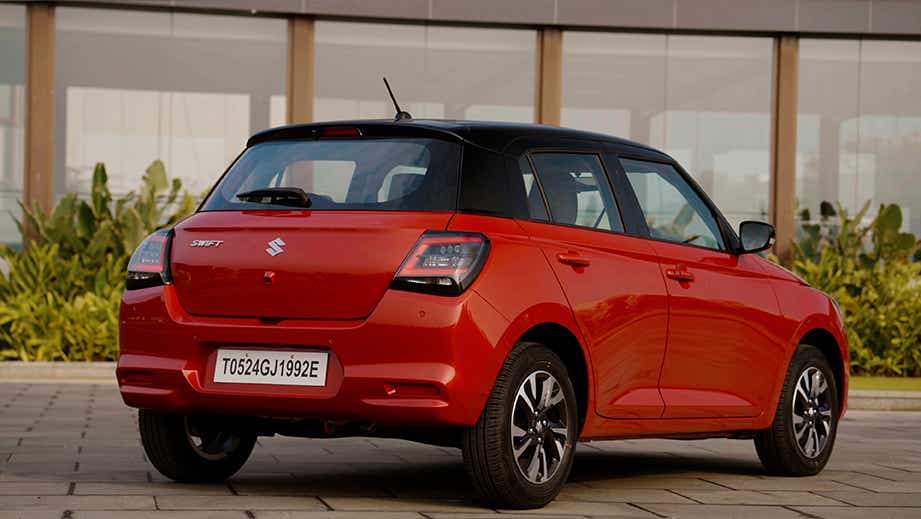
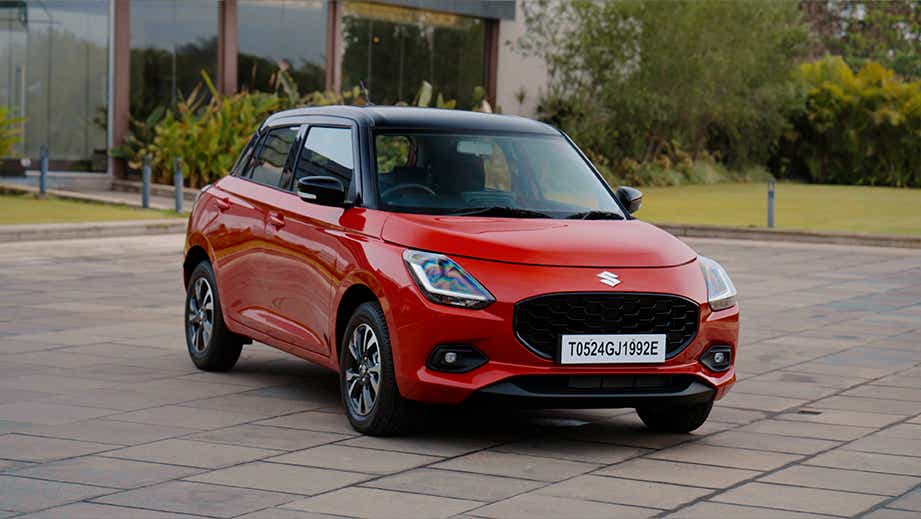
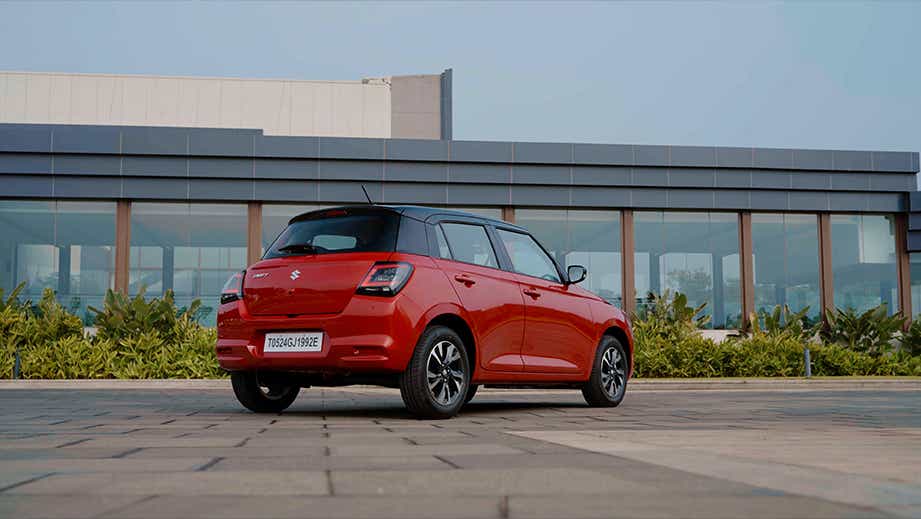
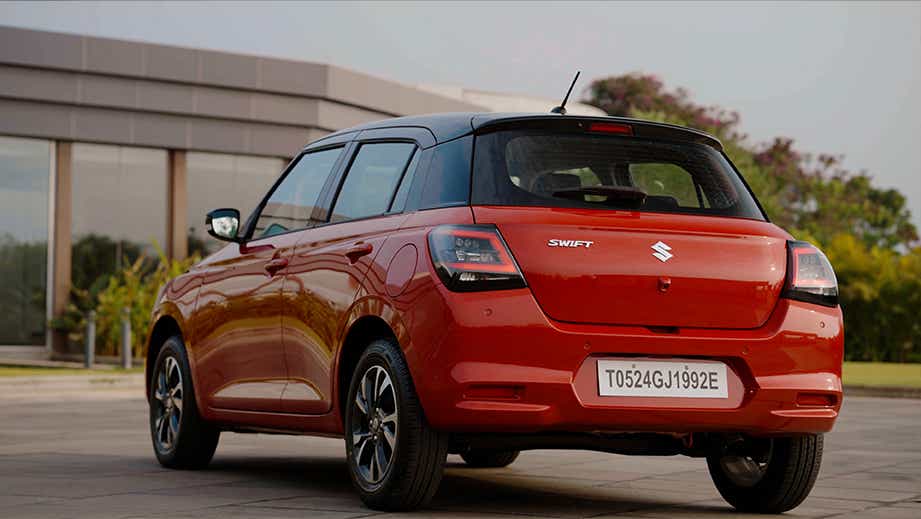
| Maruti Suzuki | Swift | Hatchback | ₹5.79 Lakh | Petrol, CNG |
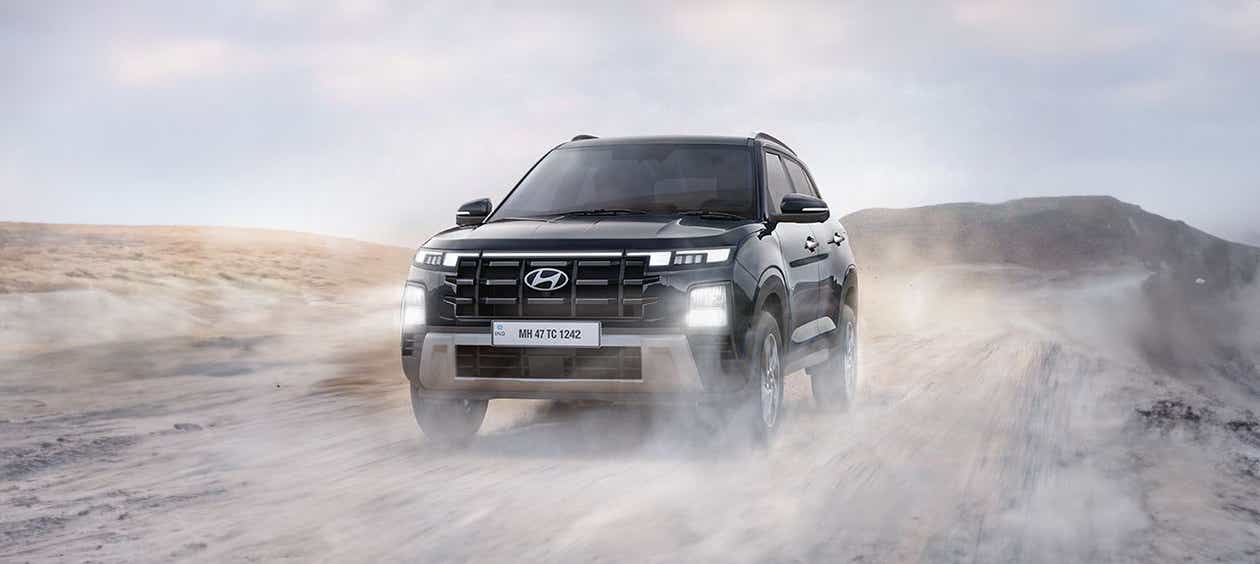
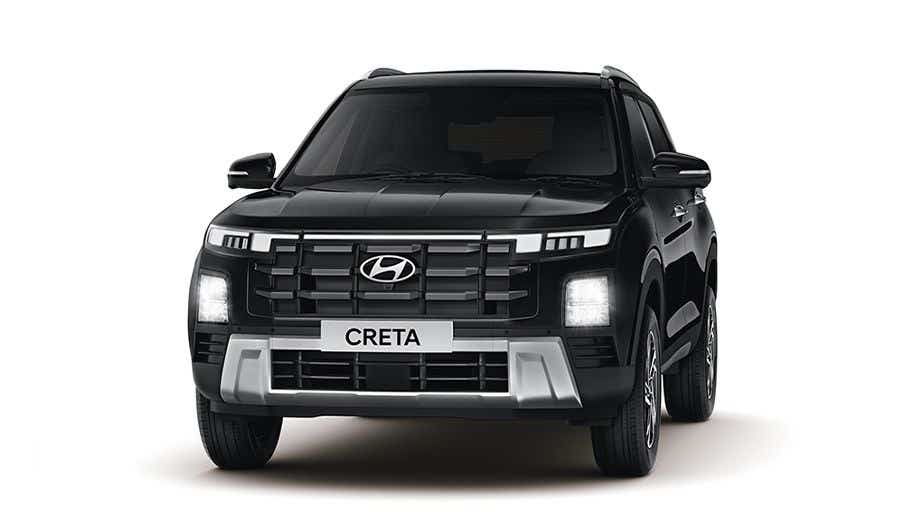
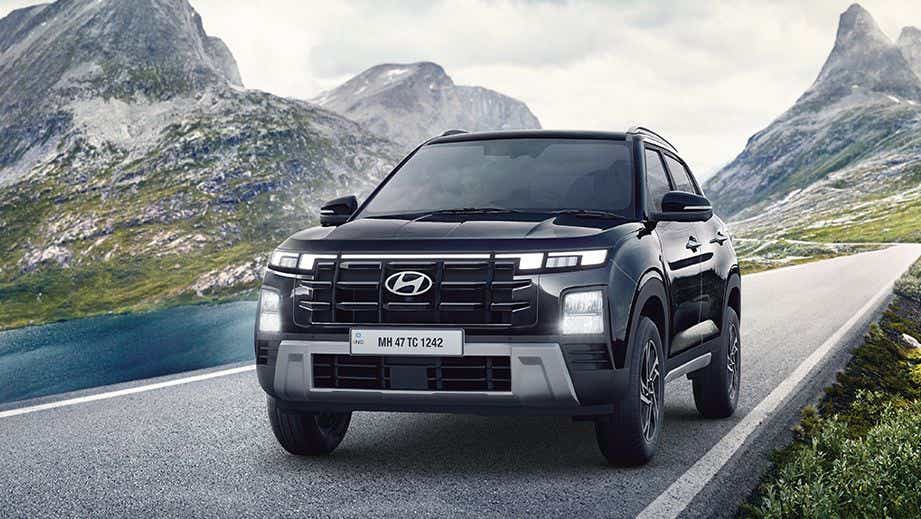
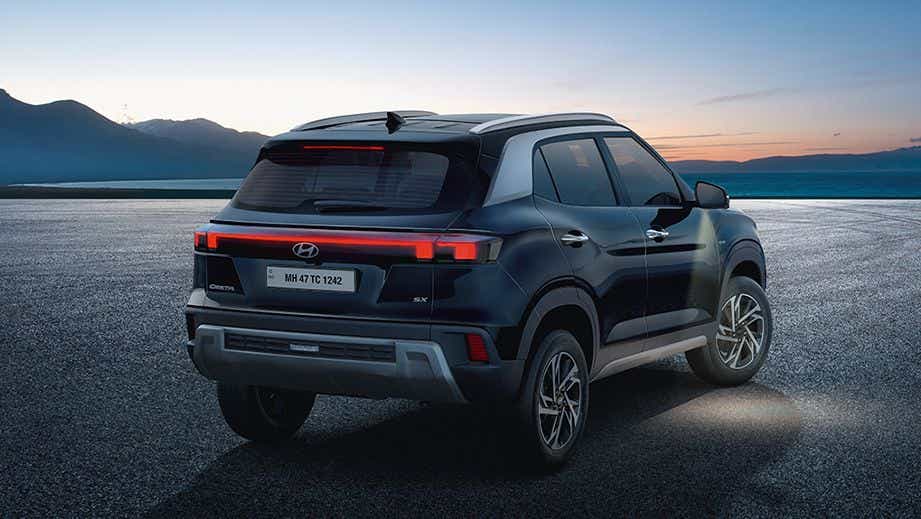
| Hyundai | Creta | SUV | ₹10.79 Lakh | Petrol, Diesel |
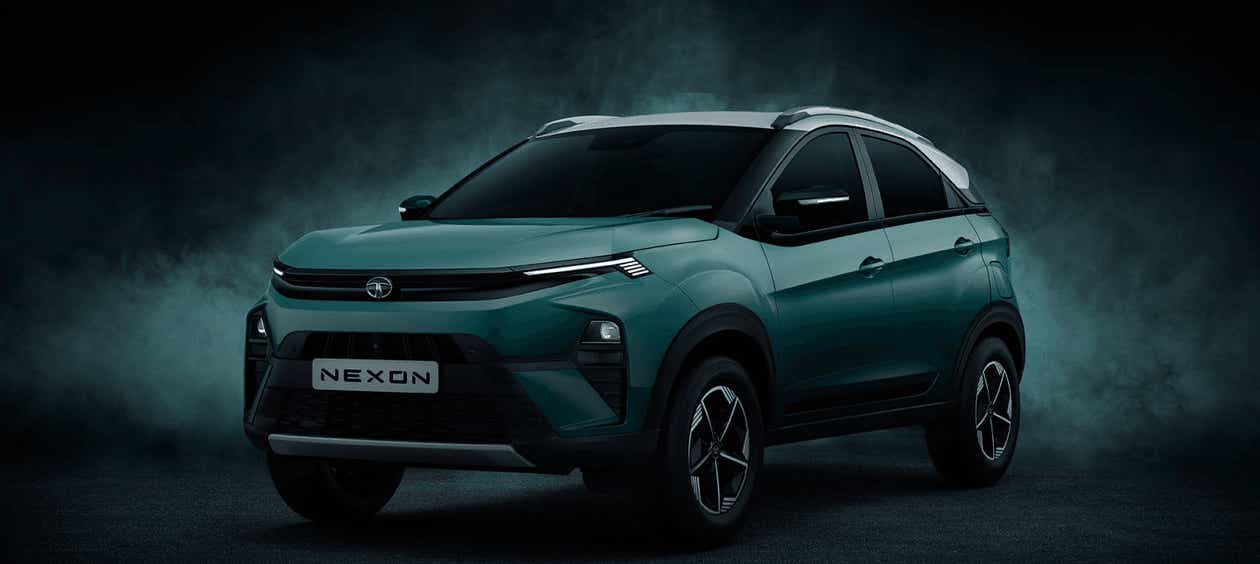
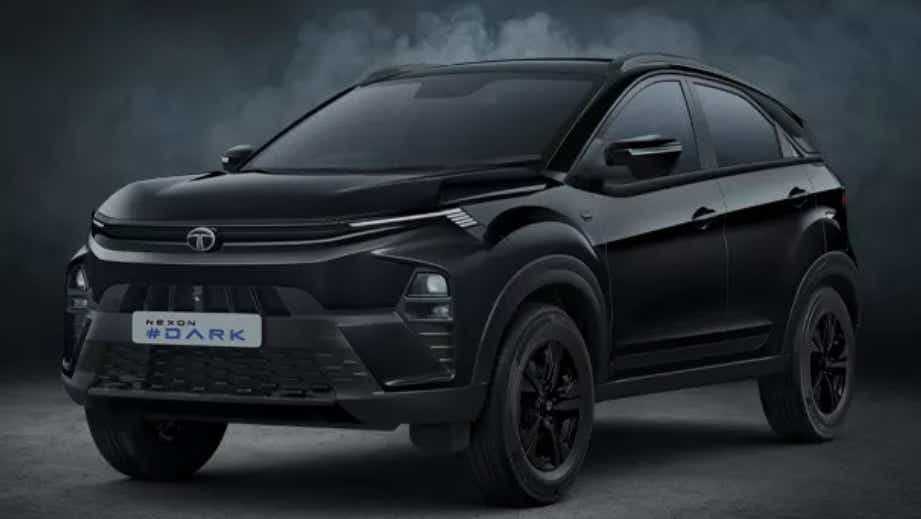
| Tata Motors | Nexon | Compact SUV | ₹7.32 Lakh | Petrol, Diesel, CNG, Electric |
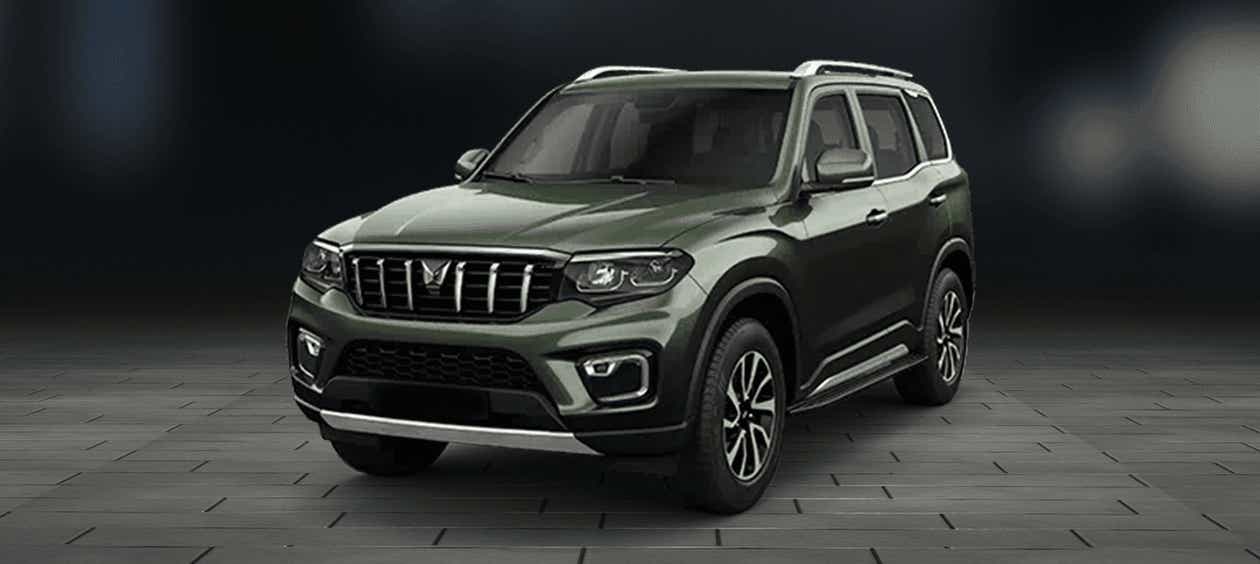
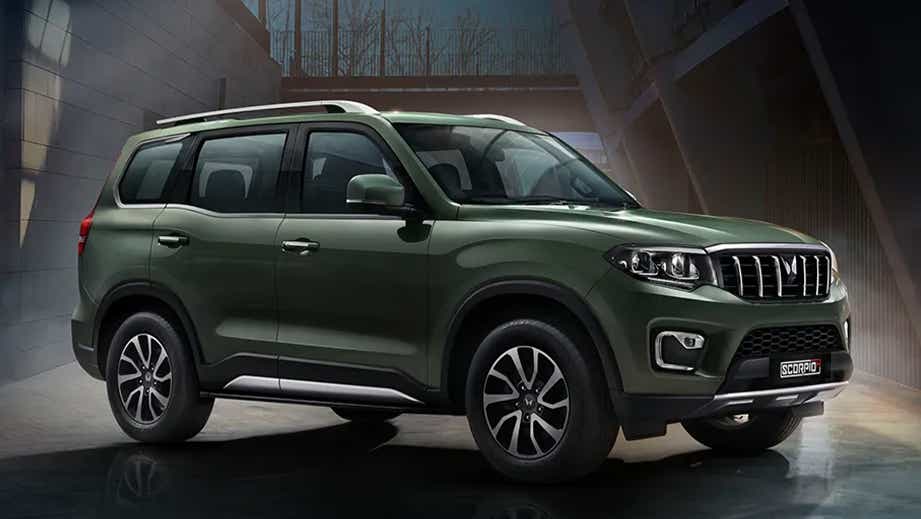
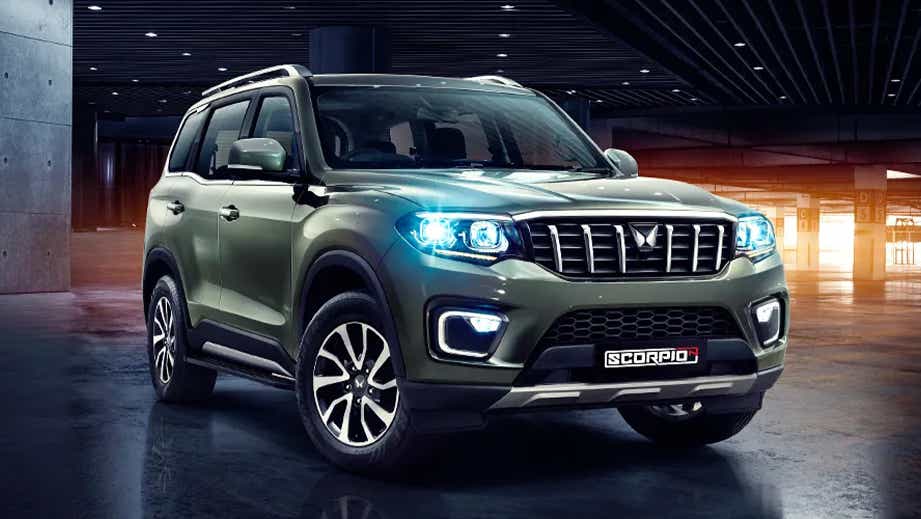
| Mahindra | Scorpio-N | SUV | ₹13.60 Lakh (approx) | Petrol, Diesel |
| Kia | Seltos | SUV | ₹10.99 Lakh | Petrol, Diesel |
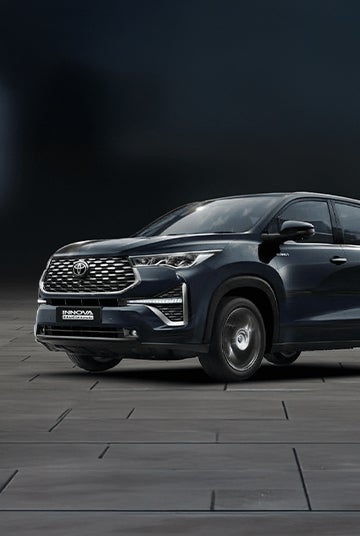
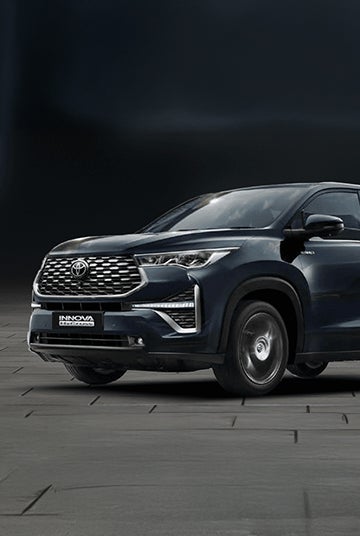
| Toyota | Innova Hycross | MPV | ₹19.15 Lakh | Petrol, Hybrid (Petrol + Electric) |
| Honda | City | Sedan | ₹11.70 Lakh (approx) | Petrol, Hybrid |
| MG Motor | Hector | SUV | ₹13.99 Lakh | Petrol, Diesel |
| Skoda | Kushaq | SUV | ₹10.89 Lakh | Petrol |
| Renault | Kwid | Hatchback | ₹4.70 Lakh | Petrol |
India's car market is witnessing a lot of new launches with new models, facelifts, and a new gen of vehicles being launched every year. The table below highlights common types of new vehicle launches and examples of models recently introduced or updated in India.
| Type of Launch | What It Means | Why It Matters for Buyers | Recent Examples in India |
| All-New Model | A completely new vehicle introduced to the market | Offers an entirely new design, platform, and updated technology | Kia Syros, Tata Curvv |
| Facelift | Mid-cycle update to an existing car | Adds refreshed styling, improved interiors, and sometimes new features | Hyundai Creta Facelift, Tata Nexon Facelift |
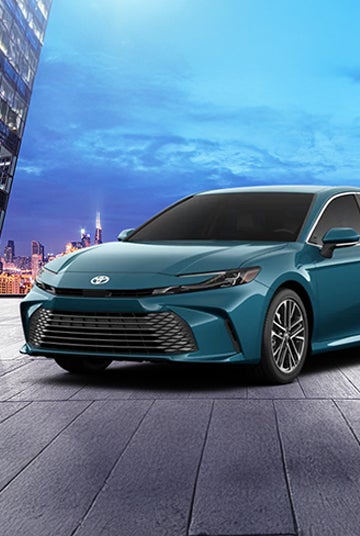
| New Generation | A fully redesigned version of an existing model | Usually brings a new platform, updated engines, and improved safety | Mahindra Thar Roxx, Toyota Camry (new generation) |
| Electric Vehicle Launch | Introduction of a battery-powered model | Expands options for buyers interested in lower running costs and EV technology | Tata Punch EV, Mahindra XUV400 |
A number of trends are affecting new car development and launch strategies.
Strong Focus on SUVs
Many new vehicles introduced in India today are from the SUV segment. Industry estimates indicate that now SUVs account for about half of the passenger vehicle sales in the country. Manufacturers have launched SUVs in various sizes, including: Sub-compact SUVs, Compact SUVs, Mid-size SUVs and Full-size SUVs
This variety allows buyers to choose an SUV that fits both their budget and usage requirements.
Increasing Focus on Safety
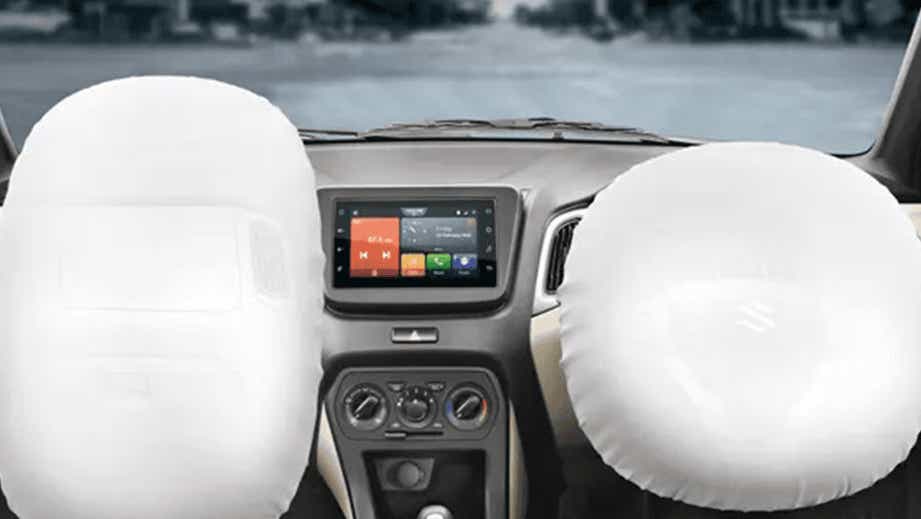
Safety regulations and consumer awareness have led automakers to develop new safety features in vehicles. Most cars today come with basic safety equipment such as:
- Dual airbags
- Anti-lock braking systems (ABS)
- Rear parking sensors
Higher variants often offer additional safety technologies, including electronic stability control and multiple airbags.
Technology Features Becoming Standard
Digital features have become increasingly common in new cars across all price segments. Even entry-level vehicles now often include:
- Touchscreen infotainment systems
- Smartphone connectivity
- Reverse cameras
Higher-end models may offer additional features such as:
- Digital instrument clusters
- Panoramic sunroofs
- Advanced driver assistance systems
Electric Vehicles Are Expanding
Electric vehicles are only a smaller segment of India's passenger car market, but are slowly increasing in number. Several manufacturers have started to offer electric cars with longer driving ranges and better charging capabilities. Government incentives and an improved charging infrastructure are also aiding the rise in the adoption of EVs.
When buying a new vehicle, it is important to look beyond the base price and consider the total cost of ownership. The ex-showroom price represents the manufacturer’s listed price, but the final amount paid by the buyer includes several additional expenses: Registration charges, Road tax, Insurance, Fastag charges and cost of accessories (if any).
Depending on the state, the final on-road price may be 15-25% higher than the ex-showroom price. Other ownership costs include: Fuel expenses, Periodic maintenance and servicing, Insurance and Tyre replacement. Considering these factors helps buyers choose a car that fits their long-term budget.
Different vehicles perform better under different driving conditions. Buyers should consider how the car will be used most frequently.
Urban Driving
City driving typically involves traffic congestion and limited parking spaces. Vehicles suited for urban conditions usually offer:
- Compact dimensions: Hatchbacks such as the Maruti Suzuki Swift, Tata Tiago, and Hyundai Grand i10 Nios are easy to drive in crowded streets.
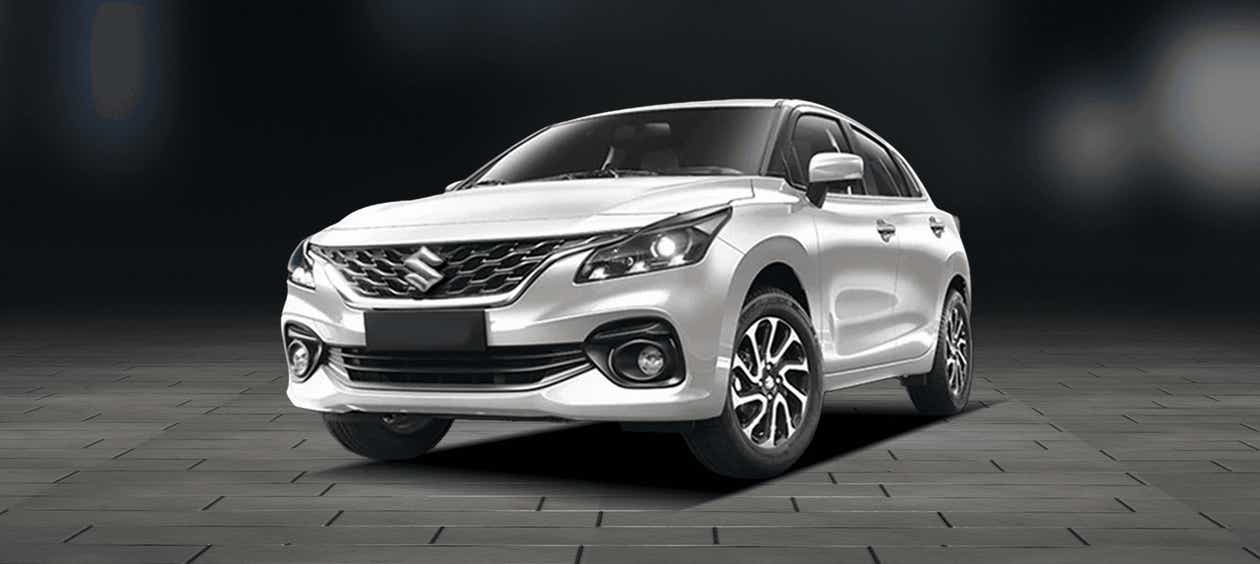
- Good fuel efficiency: Cars like the Maruti Suzuki Baleno, Toyota Glanza, and Hyundai i20 are known for delivering efficient mileage in city conditions.
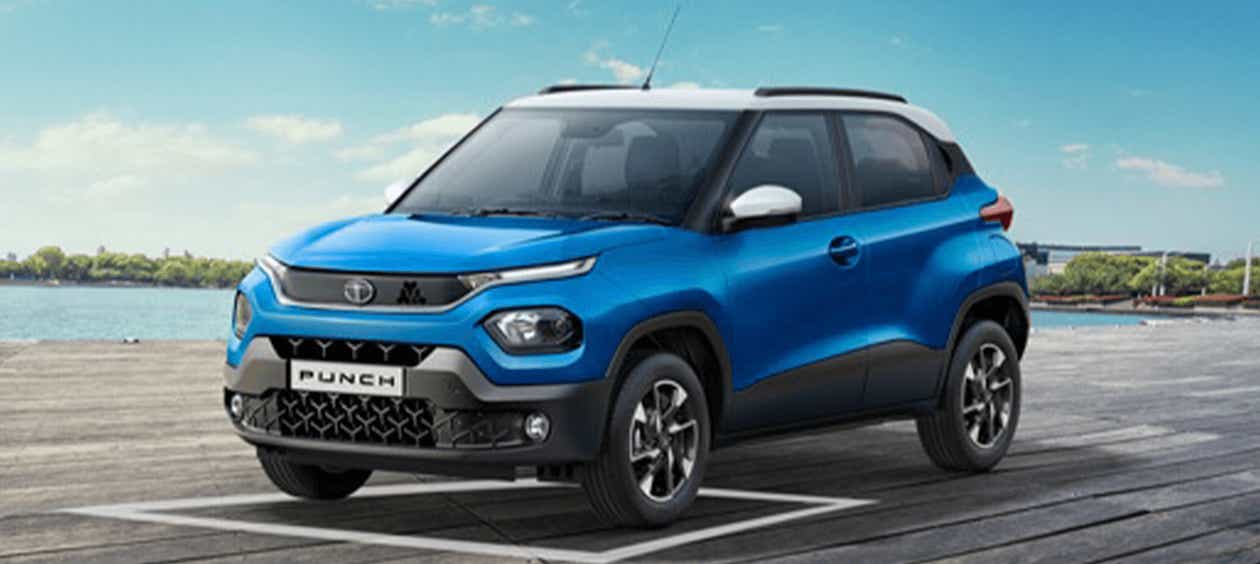
- Easy manoeuvrability: Compact SUVs such as the Tata Punch, Hyundai Exter, and Kia Sonet offer good visibility and manageable size for urban driving.
Highway Travel
Buyers who frequently travel long distances may prefer vehicles with stronger engines and better ride comfort. Key factors include:
- Stability at high speeds: Sedans such as the Honda City and Hyundai Verna are widely appreciated for stable highway performance.
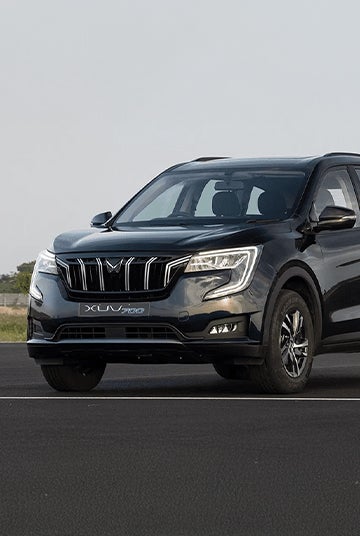
- Comfortable seating: Larger SUVs like the Mahindra XUV700, Tata Safari, and Toyota Innova Hycross provide comfortable cabins suited for long journeys.
- Adequate luggage capacity: SUVs such as the Hyundai Creta and Kia Seltos offer practical boot space for road trips.
Multi-Purpose Use
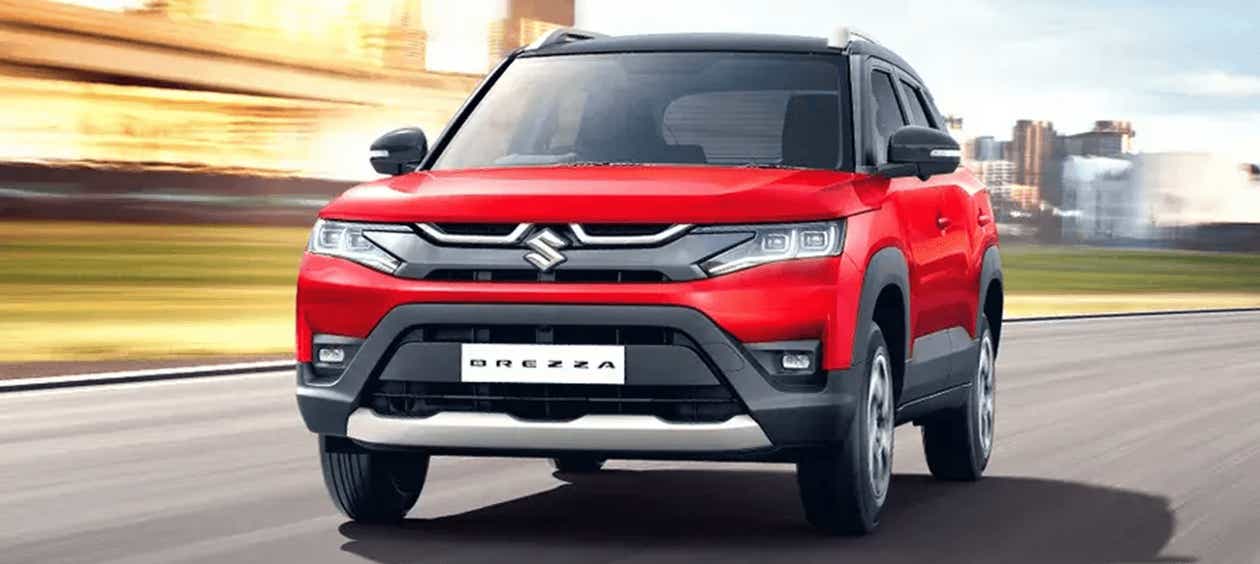
Many households use a car for both daily commuting and occasional road trips. Compact SUVs such as the Maruti Suzuki Brezza, Tata Nexon, Hyundai Venue, and Kia Sonet are frequently chosen because they combine manageable city dimensions with sufficient power and comfort for highway travel.
Fuel type affects running costs, performance, and long-term ownership experience.
Petrol Cars
Petrol vehicles are widely available and typically offer smooth engine performance. They are well-suited for buyers who primarily drive within cities. Popular petrol-powered models include the Maruti Suzuki Swift, Hyundai i20, Tata Altroz, and Kia Sonet, which provide refined engines and easy drivability in urban traffic.
Diesel Cars
Diesel engines provide strong torque and better fuel efficiency during long-distance travel, making them popular among highway users. SUVs such as the Hyundai Creta Diesel, Mahindra Scorpio-N, Tata Safari, and Mahindra XUV700 Diesel are commonly chosen by buyers who frequently travel on highways.
CNG Cars
CNG vehicles offer lower fuel costs but may compromise luggage space due to the storage of gas cylinders. Factory-fitted CNG options are available in models like the Maruti Suzuki WagonR CNG, Maruti Suzuki Dzire CNG, Tata Tiago CNG, and Hyundai Aura CNG, making them economical choices for city commuting.
Electric Cars
Electric vehicles offer very low running costs and quiet operation, although buyers must evaluate charging infrastructure availability in their area. Models such as the Tata Nexon EV, Tata Tiago EV, MG ZS EV, and Mahindra XUV400 have helped expand the electric vehicle market in India by offering practical driving ranges and modern features.
Buying a brand-new car can be exciting, but it is also a significant financial commitment. In the Indian market, where multiple variants and feature packages are available for most models, buyers sometimes focus on short-term appeal rather than long-term practicality. Being aware of a few common mistakes can help ensure that the car you choose remains satisfying to own over time.
Choosing a Variant Only for Features
Many new cars in India are offered in multiple variants, each with different equipment levels. Buyers sometimes choose higher variants mainly for features like larger infotainment screens or sunroofs, without considering whether those additions justify the higher price. It is important to balance features with overall value.
Ignoring Waiting Periods
Popular new cars in India often have long waiting periods, especially after a recent launch. Some buyers finalise a model without checking delivery timelines, which can lead to delays of several months depending on the variant and city.
Not Comparing Similar Models
India’s competitive market means several cars often exist within the same price bracket. Buyers who focus on only one model may miss alternatives that offer better safety features, stronger engines, or more interior space.
Overlooking After-Sales Support
Even when buying a new car, service experience plays an important role in ownership satisfaction. A brand with a widespread service network and easily available spare parts can make maintenance simpler and more convenient in the long run.
The market for new cars in India offers buyers an extensive range of choices across different price segments, fuel types, and body styles. From compact hatchbacks such as the Maruti Suzuki Swift and Tata Tiago to mid-size SUVs like the Hyundai Creta and Mahindra XUV700, buyers can find vehicles designed for a variety of driving needs. Electric models such as the Tata Nexon EV are also expanding options for those looking for lower running costs and modern technology.
Before making a purchase, it is useful to evaluate factors such as budget, expected usage, passenger space, fuel type, and long-term ownership costs, including maintenance and insurance. Comparing specifications, reviewing safety features, and taking test drives can provide a clearer understanding of how different models perform in real-world conditions. The list below highlights new cars currently available in India, helping buyers explore options across manufacturers and identify vehicles that best match their requirements.
FAQ
The 20-4-10 rule is a guideline for car buying, suggesting a minimum 20% down payment, financing for no more than 4 years, and total car expenses (including insurance and maintenance) not exceeding 10% of your gross income.
To choose the best car, consider your needs, budget, and lifestyle. Evaluate factors like fuel type, body type, transmission, and ownership costs. Research thoroughly, test drive different models, and prioritise safety features that align with your preferences.