
Cars with Tyre Pressure Monitor in India
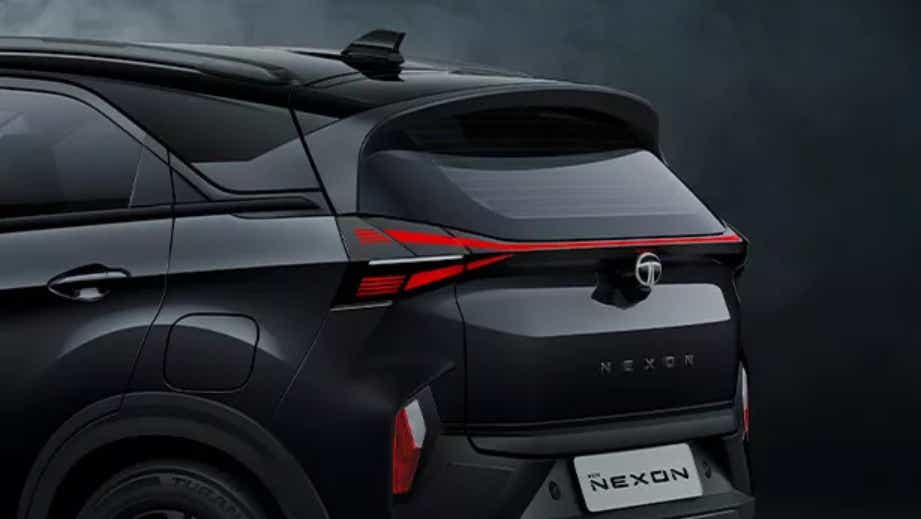




TPMS Cars in India: Segment Overview
A Tyre Pressure Monitoring System continuously monitors the air pressure within each tyre and gives a warning to the driver if the pressure is too low or too high. Maintaining the correct tyre pressure is of extreme importance for safety and fuel efficiency, which is again of utmost importance on Indian roads where potholes, rough surfaces and long drives on highways can affect the health of tyres.
Research indicates that properly inflated tyres can improve fuel efficiency by three to five per cent and also minimise uneven wear of tyres. This is the reason why TPMS is slowly becoming a desirable feature in modern vehicles.
There are two main types of TPMS that are used in cars.
Direct TPMS uses physical sensors that are located inside each wheel and measure exact differences in tyre pressure and temperature, and give accurate readings on the dashboard.
Indirect TPMS operates via the ABS wheel speed sensors that are fitted in a car and detects pressure loss by comparing tyre rotation speeds. While direct systems are more precise, indirect systems are cheaper and are commonly used in entry-level models.
With the changes in the safety regulations and the impact of Bharat NCAP ratings becoming more influential, the number of manufacturers that include TPMS as a standard feature is likely to increase in the coming years.
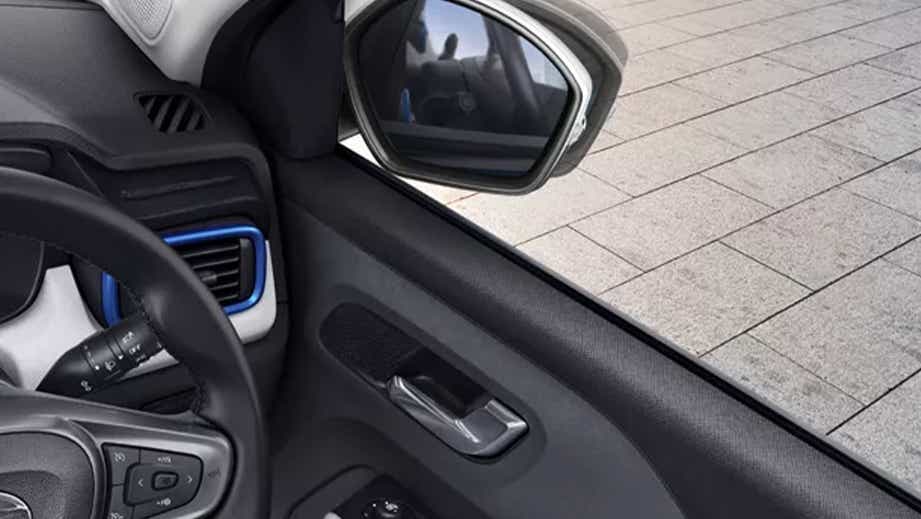
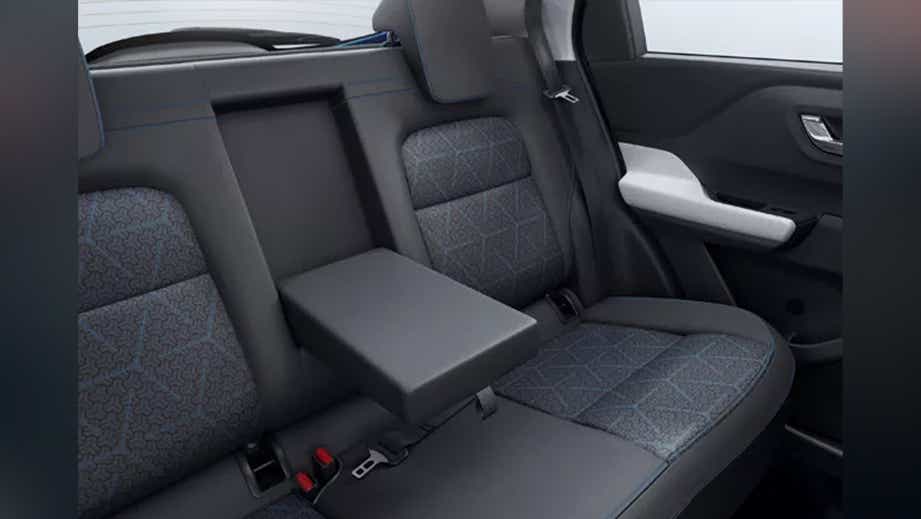
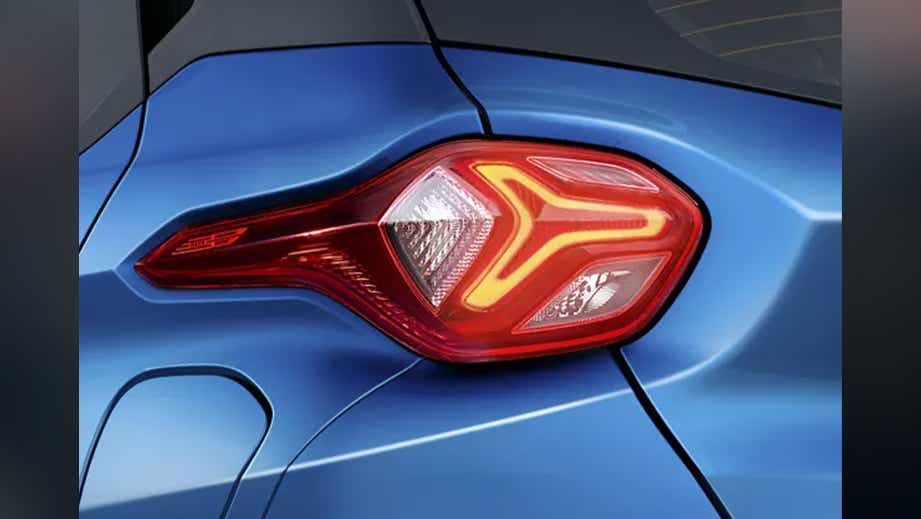
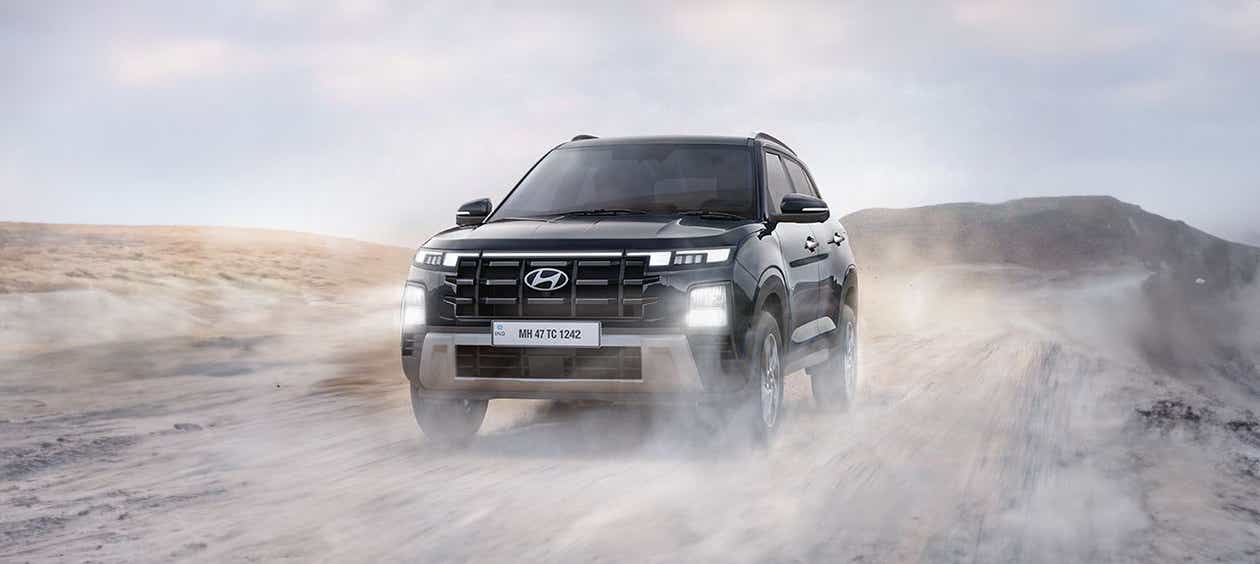
Here are some of the most popular TPMS cars in India across different segments.
| Model Name | Powertrain & Output | Mileage (ARAI) | Ex-Showroom Price |
| Nissan Gravite | 1.0L Petrol, Manual/AMT, 71 bhp, 96 Nm | 18–20 kmpl | ₹5.65–8.94 Lakh |
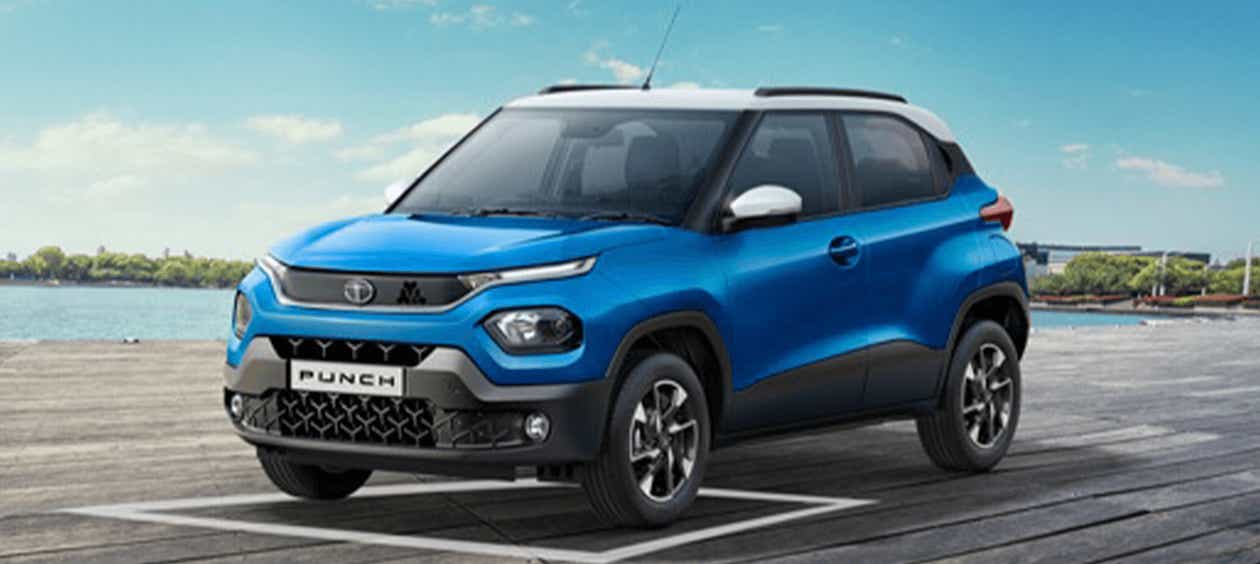
| Tata Punch | 1.2L Petrol, Manual/AMT, 87 bhp, 115 Nm | 18.8–20.09 kmpl | ₹5.60–10.55 Lakh |
| Hyundai Exter | 1.2L Petrol, Manual/AMT, 82 bhp, 114 Nm | 19.2–27.1 kmpl | ₹5.74–9.61 Lakh |
| Renault Kwid | 1.0L Petrol, Manual/AMT, 67 bhp, 91 Nm | 22 kmpl | ₹4.30–5.99 Lakh |
| Hyundai i20 | 1.2L Petrol, Manual/CVT, 82 bhp, 115 Nm | 19.6–20.3 kmpl | ₹5.99–10.44 Lakh |
| Nissan Magnite | 1.0L Petrol / 1.0L Turbo Petrol, Manual/CVT, 71 bhp / 99 bhp | 17.4–20.0 kmpl | ₹5.62–11.13 Lakh |
| Honda City | 1.5L Petrol, Manual/CVT, 119 bhp, 145 Nm | 17.8–18.4 kmpl | ₹11.95–16.07 Lakh |
| Mahindra XUV 3XO | 1.2L Turbo Petrol / 1.5L Diesel, Manual/Automatic, 110–129 bhp, 200–230 Nm | 18.0–20.1 kmpl | ₹7.37–14.55 Lakh |
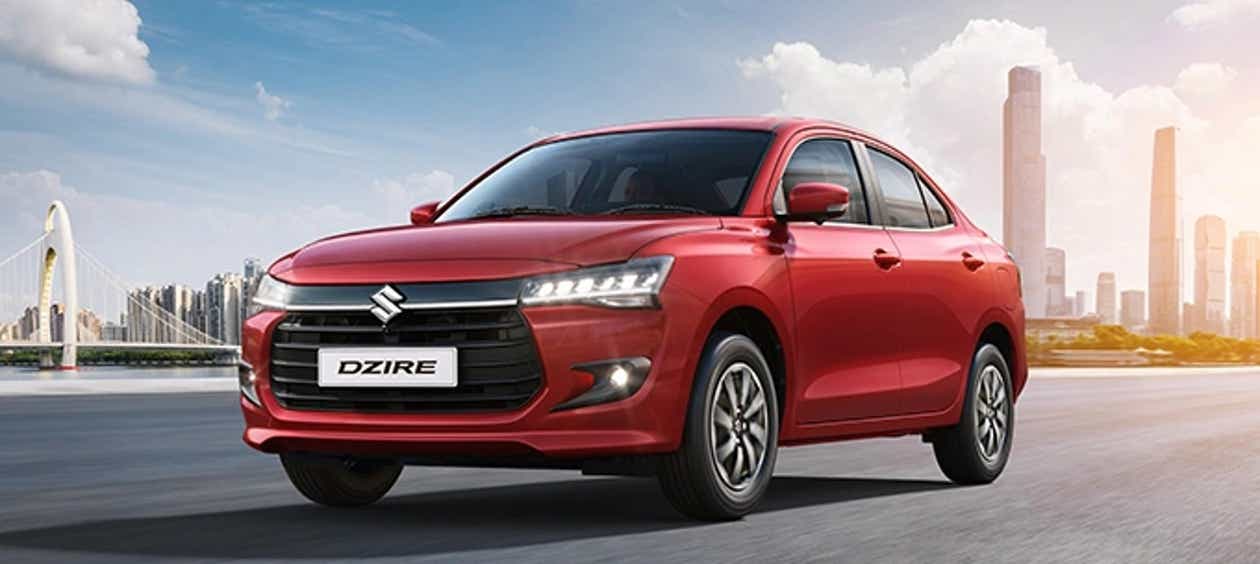
| Maruti Dzire | 1.2L Petrol, Manual/AMT, 80 bhp, 112 Nm | 24.7–25.7 kmpl | ₹6.26–9.31 Lakh |
A TPMS car system constantly monitors the pressure in the tyres and alerts the driver by means of a warning on the dashboard when the tyre pressure falls below recommended levels. This assists the drivers in taking remedial action before a tyre is inflated to a risky level.
Cars that have TPMS are particularly useful for:
- Drivers who frequently drive on highways
- Owners who live in cities that have bad roads
- Drivers who prioritise the longevity of their tyres and fuel efficiency
- New drivers who may not be in the habit of checking tyre pressure on a regular basis manually
Because tyre pressure will naturally decrease over time, a TPMS car system can serve as a convenient safety net that will keep the driver informed about the health of their tyres.
Although drivers can check tyre pressure manually with the help of a tyre pressure gauge, TPMS offers constant monitoring while driving.
| Comparison Aspect | TPMS System | Manual Tyre Check |
| Monitoring Method | Continuous real-time monitoring through sensors | Requires manual inspection at fuel stations |
| Driver Convenience | Alerts appear automatically on the dashboard | The driver must remember to check regularly |
| Accuracy | Direct TPMS provides precise PSI readings | Depends on the accuracy of the pressure gauge |
| Safety Benefit | Warns immediately when pressure drops | Pressure loss may go unnoticed between checks |
| Tyre Health | Helps maintain optimal tyre pressure | Irregular checking may cause uneven tyre wear |
This renders TPMS especially helpful to those drivers who travel long distances and do not check tyre pressure manually often.
Different TPMS car models appeal to different buyers based on driving needs and budgets.
Affordable Hatchbacks and Small Cars
Vehicles like Renault Kwid, Hyundai Exter and Tata Punch introduce TPMS in the entry-level segments. These cars are popular among first-time buyers and city commuters who are interested in getting better safety features without spending too much on the purchase.
Feature-Rich Compact Cars
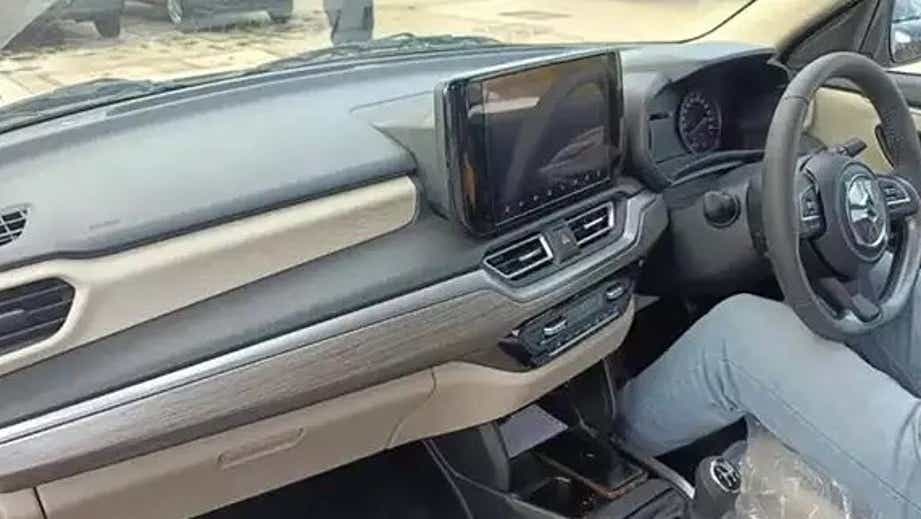
Models such as the Hyundai i20 and Maruti Dzire come with TPMS and modern infotainment systems as well as efficient engines. These cars are attractive to buyers who desire everyday practicality with useful driver assistance features.
Premium Sedans and Compact SUVs
The Honda City and Mahindra XUV 3XO combine TPMS with a more comprehensive safety package. These cars often have tyre monitoring combined with other electronic safety technologies such as ADAS, ESC, traction control and hill hold assist.
A TPMS car system offers a number of advantages but also has some limitations.
| Pros | Cons |
| TPMS alerts drivers when tyre pressure drops, helping prevent dangerous blowouts on highways or uneven roads. | Direct TPMS sensors can be expensive to replace, typically costing several thousand rupees per wheel. |
| Maintaining correct tyre pressure improves fuel efficiency and reduces unnecessary tyre wear over time. | Indirect TPMS systems may not display exact pressure values and only show a warning when pressure drops. |
| Continuous monitoring helps drivers detect slow air leaks that may otherwise go unnoticed during daily driving. | Sensors inside the wheels may require recalibration when tyres are replaced or rotated. |
| Proper tyre pressure also improves braking performance and overall vehicle stability in emergency situations. | Drivers may rely solely on TPMS alerts and neglect routine manual tyre inspections, which are also essential. |
A TPMS car is an essential addition to the daily driving experience of many drivers, as it acts as a great source of safety and convenience. The system constantly monitors the tyre pressure and alerts the driver to a potentially dangerous situation before it occurs. Considering the condition of roads in India and the fact that long journeys are common, this feature can greatly reduce the chances of tyre-related failures.
While it is always possible to check tyre pressure manually, TPMS offers constant monitoring without having to do anything on the part of the driver. It also helps to maintain proper tyre pressure, which helps in improving fuel efficiency, braking stability and tyre life in the long run. For buyers who are opting for a modern hatchback, sedan or SUV, buying a car that is equipped with TPMS can help improve tyre life, fuel efficiency and overall driving safety in the long run.
Browse all New Cars By Active Safety
- Tpms Cars Under 5 Lakhs
- Tpms Cars Under 6 Lakhs
- Tpms Cars Under 7 Lakhs
- Tpms Cars Under 10 Lakhs
- Tpms Cars Under 15 Lakhs
- Tpms Cars Under 20 Lakhs
- Tpms Cars Under 25 Lakhs
- Tpms Cars Under 30 Lakhs
- Tpms Cars Under 35 Lakhs
- Tpms Cars Under 50 Lakhs
- Tpms Cars Under 1 Crore
- Tpms Cars Under 2 Crore
- Tpms Cars Under 5 Crore
- Tpms Cars Above 5 Crore
- Maruti Suzuki Tpms Cars
- Tata Tpms Cars
- Hyundai Tpms Cars
- Mahindra Tpms Cars
- Toyota Tpms Cars
- Kia Tpms Cars
- Honda Tpms Cars
- Renault Tpms Cars
- Skoda Tpms Cars
- Mg Tpms Cars
- Nissan Tpms Cars
- Volkswagen Tpms Cars
- Citroen Tpms Cars
- Bmw Tpms Cars
- Mercedes Benz Tpms Cars
- Jeep Tpms Cars
- Audi Tpms Cars
- Jaguar Tpms Cars
- Land Rover Tpms Cars
- Rolls Royce Tpms Cars
- Byd Tpms Cars
- Force Tpms Cars
- Vinfast Tpms Cars
- Bentley Tpms Cars
- Lamborghini Tpms Cars
- Maserati Tpms Cars
- Volvo Tpms Cars
- Aston Martin Tpms Cars
- Ferrari Tpms Cars
- Isuzu Tpms Cars
- Mclaren Tpms Cars
- Mini Tpms Cars
- Lotus Tpms Cars
- Porsche Tpms Cars
- Lexus Tpms Cars